Top 10 Benefits of Using a Pilot Valve in Fluid Control?

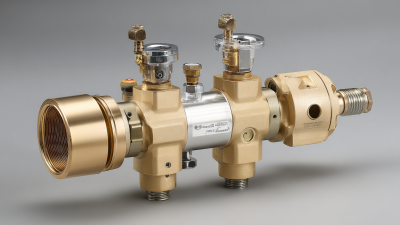
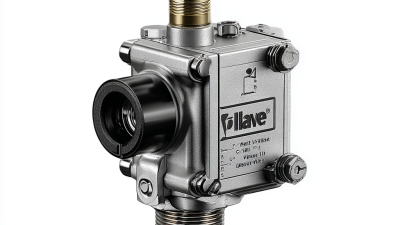
In fluid control systems, the pilot valve plays a crucial role. This small device offers significant advantages that enhance operational efficiency. By regulating fluid flow, a pilot valve ensures precise control within various applications.

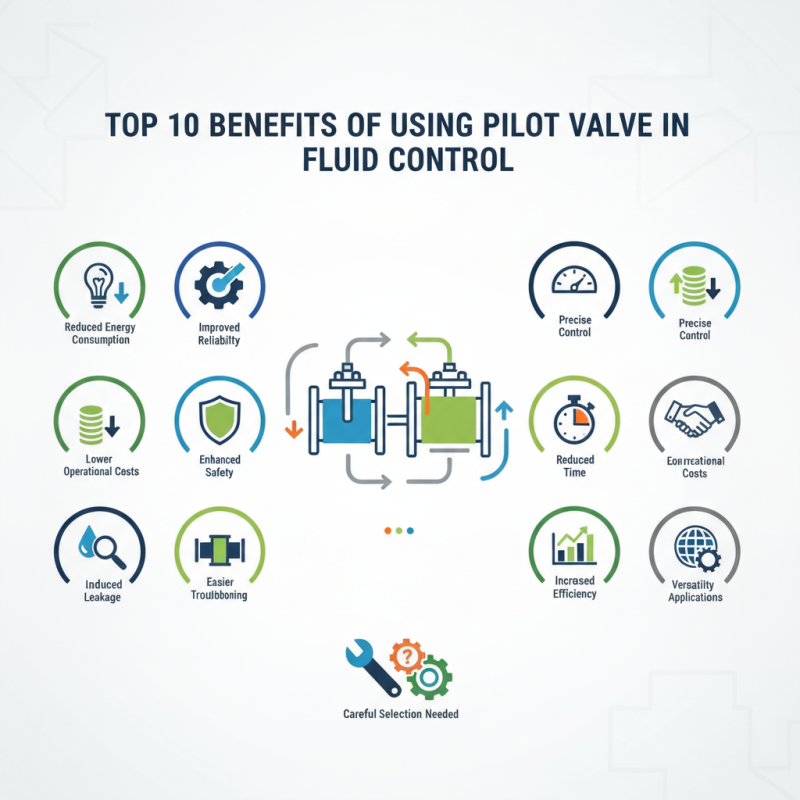
The benefits of using a pilot valve extend far beyond simplicity. First, this component can significantly reduce energy consumption. A well-designed pilot valve minimizes waste, contributing to lower operational costs. Additionally, it improves system reliability, which is vital for continuous operation.

However, there can be challenges in implementation. Not every pilot valve suits every system. Careful selection is necessary to match specific needs. Without proper consideration, efficiency may drop, leading to potential system failures. As you explore these benefits, reflect on how the right pilot valve can transform fluid control.
Top 10 Benefits of Using a Pilot Valve in Fluid Control?

Advantages of Pilot Valves in Fluid Control Systems

Pilot valves offer a range of advantages in fluid control systems. They provide precise control over fluid flow, which is essential for many applications. Their operation is often more efficient than traditional methods. This efficiency translates to energy savings, as less power is needed to operate the system.

Another key benefit is their compact design. Pilot valves can be smaller and lighter than other control valves. This saves space in tight installations. Additionally, they can be easier to integrate into existing systems. Their simple design often leads to less maintenance. This means fewer interruptions and lower operational costs over time.

Using pilot valves can also enhance safety. Their design allows for fail-safe operations. This is crucial in high-pressure environments. However, it’s important to ensure that the system is correctly calibrated. Improper installation could lead to unexpected issues. While pilot valves have great benefits, attention to detail is necessary for optimal performance.

Top 10 Benefits of Using a Pilot Valve in Fluid Control

Benefit Description Applications
Increased Efficiency Pilot valves allow for responsive and precise control of the main valve, enhancing overall system efficiency. Hydraulic systems, pneumatic systems
Reduced Energy Consumption By regulating fluid flow more effectively, pilot valves can lower energy usage in fluid control systems. Industrial machinery, water management
Compact Design Pilot valves are smaller than traditional control valves, allowing for easier integration into systems with limited space. Automotive applications, robotics
Improved Response Time They offer quicker actuation speeds, making them ideal for systems that require rapid changes. Manufacturing, assembly lines
Enhanced Safety Pilot valves can include features that improve system safety, preventing leaks and overpressure situations. Chemical processing, oil and gas
Cost-Effectiveness Their efficient operation can lead to reduced maintenance and operational costs in long-term use. HVAC systems, waste management
Versatile Control Pilot valves can be used for various applications, including on/off and proportional control. Fluid distribution, process automation
Minimal Lag They provide high levels of precision with minimal time delay in operation. Precision engineering, aerospace
Easy Integration Pilot valves can be easily integrated with other control systems and components. Automation systems, machine tools
Long Lifespan With lower stress on components, pilot valves can have a longer operational life compared to standard valves. Logistics, energy production

Enhanced Precision in Flow Regulation Through Pilot Valves

Pilot valves play a crucial role in achieving enhanced precision in fluid control. According to the Fluid Power Journal, systems utilizing pilot valves can improve flow regulation accuracy by up to 30%. This accuracy is vital for applications like hydraulic systems where responsive control is needed. With precise flow adjustments, operators can achieve desired outcomes with minimal delay.

Additionally, pilot valves reduce the risk of fluctuations in pressure and flow rates. A study by the International Fluid Power Society found that incorporating pilot valves can lead to a 25% decrease in energy consumption. This is essential in industries striving for efficiency and sustainability. However, pilot valves may introduce complexities in maintenance routines. Operators must ensure these components are regularly checked to prevent malfunctions.

While pilot valves can enhance precision, their installation requires careful consideration. Improper setup may lead to overshoot or undershoot in flow regulation. Operators must be vigilant. In the end, the benefits of pilot valves are significant, but they demand a commitment to proper usage and maintenance.

Top 10 Benefits of Using a Pilot Valve in Fluid Control

Energy Efficiency Gains Associated with Pilot Valves

Top 10 Benefits of Using a Pilot Valve in Fluid Control?

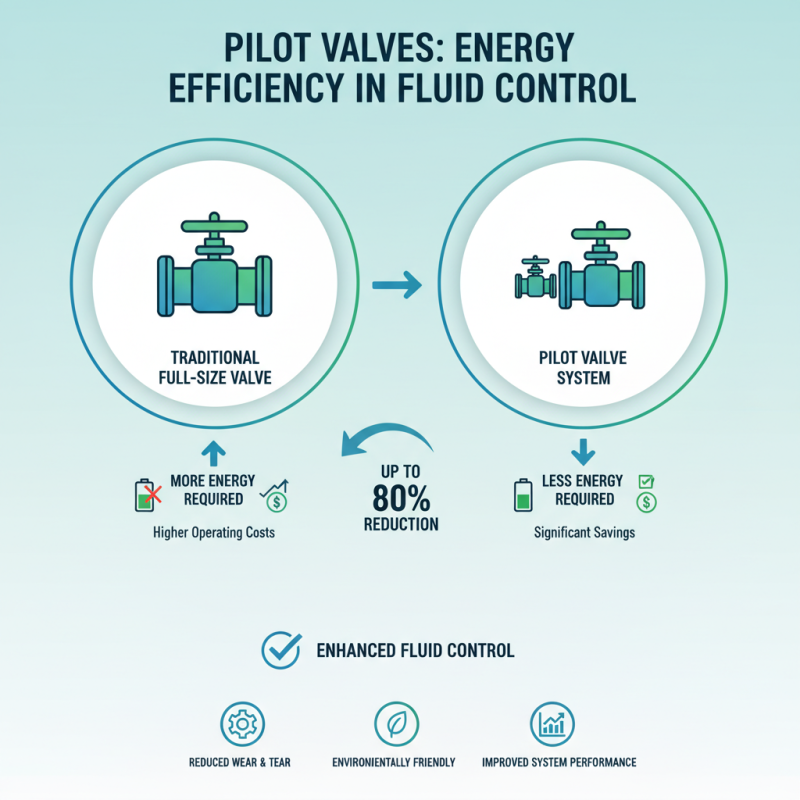
Pilot valves play a crucial role in fluid control systems, enhancing energy efficiency significantly. They reduce the amount of energy needed to operate. By using a smaller pilot valve, the system requires less energy compared to traditional full-size valves. This can lead to considerable savings over time.

In many applications, pilot valves are capable of managing larger flows with minimal effort. They achieve this by regulating the flow of fluid more effectively. With precise control, these valves help prevent energy waste. However, not all systems are designed to accommodate pilot valves. This can lead to inefficiencies if the installation is not properly planned.

Moreover, the installation process of pilot valves can be tricky. A proper understanding of the system dynamics is essential. Mistakes during installation can lead to increased energy consumption instead of savings. Therefore, careful analysis is critical before choosing to implement pilot valves for better energy efficiency.

Reduced Maintenance Requirements with Pilot Valve Implementation

Using pilot valves can significantly reduce maintenance requirements in fluid control systems. These valves operate with lower pressure, which minimizes wear and tear on the components. This is particularly beneficial in demanding environments where regular maintenance is essential. Fewer breakdowns mean reduced downtime, allowing systems to operate more smoothly.

Managing a fluid control system can often be complex. However, pilot valves simplify this. They require less frequent adjustment and inspection compared to traditional valves. Operators may notice that fewer trips for maintenance save both time and costs. Yet, some may find it challenging to adjust to new systems. A learning curve exists when switching from conventional to pilot valves.

Implementing pilot valves has its challenges. Training staff on new technologies is crucial. Some might feel uncertain about the changes to operational procedures. Despite these hurdles, the long-term benefits usually outweigh the temporary disruptions. As companies navigate these transitions, careful planning is required to fully realize the advantages of pilot valves.

Impact of Pilot Valves on Overall System Longevity and Reliability

Pilot valves play a crucial role in fluid control systems. Their impact on system longevity is significant. These valves reduce wear and tear on main actuators. By controlling pressure and flow more precisely, pilot valves extend the life of pumps and motors.

Regular maintenance is key to ensuring reliability. A small oversight can lead to failures. Check for leaks and blockages frequently. Keeping fluid clean enhances performance. Filtration systems are a good addition. They prevent contaminants from damaging sensitive components.

Tip: Monitor system pressure closely. Uneven pressure can stress components. Consider installing low-pressure alarms. They help detect issues early. A proactive approach saves downtime and repairs. Aim for consistent performance to ensure reliability in operations.

Pilot valves can be a game-changer if managed properly. They are not a one-size-fits-all solution. Assess your system's needs before implementation.