Why Choose a Switching Power Supply for Your Electronics Needs?
In today's fast-paced electronics landscape, choosing the right power supply can significantly impact performance and efficiency. Dr. Emily Johnson, a leading expert in power supply technologies, states, "Switching Power Supplies offer unmatched versatility for modern devices." This underscores the importance of understanding their benefits.
A Switching Power Supply operates by converting electrical energy efficiently. They are compact and lightweight, making them ideal for various applications. However, one must consider noise levels and electromagnetic interference that may arise. These factors can affect sensitive devices and require careful design.
Despite their advantages, not every situation calls for a Switching Power Supply. Sometimes, simpler options provide a more straightforward solution. It's essential to evaluate specific needs diligently. By doing so, users can maximize efficiency while minimizing potential drawbacks.
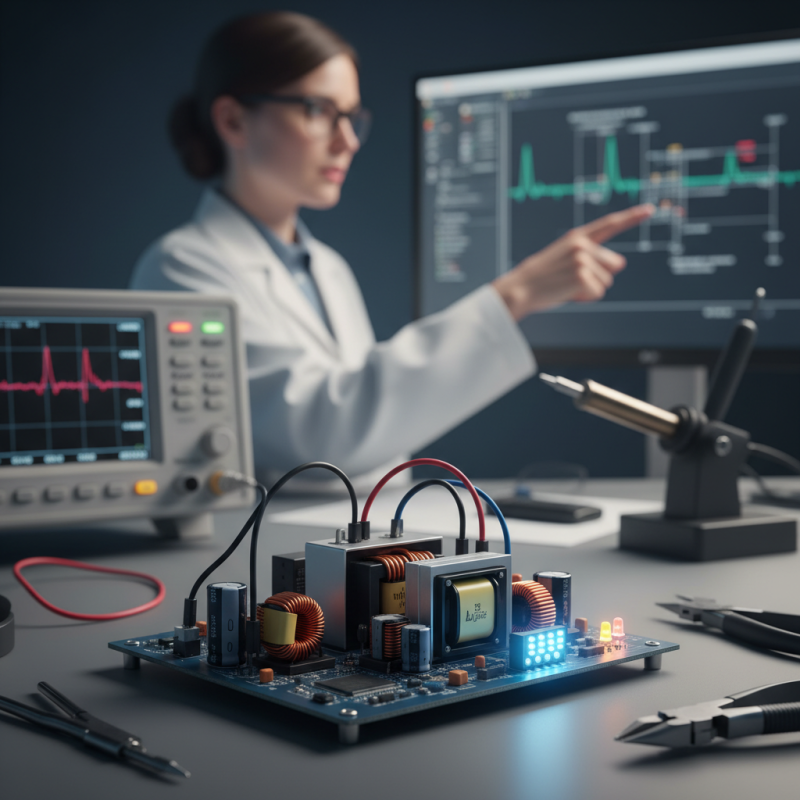
Advantages of Switching Power Supplies in Modern Electronics Applications
Switching power supplies have gained popularity in modern electronics due to their numerous advantages. Unlike traditional linear power supplies, switching models deliver power more efficiently. This efficiency translates into less heat generation, which is crucial for compact electronic devices. It allows manufacturers to create sleeker designs without bulky heat sinks.
Another notable benefit is their versatility. Switching power supplies can handle a wide range of input voltages and output power levels. This flexibility makes them suitable for various applications, from consumer electronics to industrial equipment. However, their complexity can lead to challenges. Issues like electromagnetic interference may arise if not properly designed.
Cost is also a consideration. While initial prices may be higher, the long-term savings on energy bills can outweigh them. Yet, manufacturers must ensure they are getting quality components to avoid failures. A poorly designed power supply can lead to performance problems. Therefore, while switching power supplies offer significant advantages, careful attention is necessary during development.
Efficiency Ratings: Comparing Switching vs. Linear Power Supplies
Switching power supplies have gained significant traction in electronic devices. Their efficiency ratings clearly shine when compared to linear power supplies. Reports suggest that switching power supplies can achieve efficiency rates exceeding 90%. In contrast, linear supplies often struggle, with typical efficiencies around 30% to 60%.
This efficiency disparity is vital when considering energy consumption. As technology evolves, the demand for more power-efficient devices rises. For example, the U.S. Department of Energy notes that energy loss in linear supplies can lead to increased operational costs. Consumers may overlook these costs initially, yet over time, they accumulate significantly.
Heat generation is another aspect to consider. Switching supplies operate cooler than linear supplies due to lower energy waste. However, they require intricate designs, potentially leading to higher initial costs. This complexity might also raise failure rates. Thus, while switching supplies often deliver superior performance, they are not without their challenges. Balancing efficiency with reliability is essential for any application.
Size and Weight Benefits of Switching Power Supplies in Device Design
When it comes to electronic device design, size and weight significantly impact performance. Switching power supplies are more compact than linear power supplies. Data shows that switching power supply designs can be up to 50% smaller. This size reduction allows manufacturers to create slimmer devices without compromising functionality. In a world where space is at a premium, smaller components can make a big difference.
Weight is another important factor. Switching power supplies often weigh less than their linear counterparts. A report from the Power Electronics Industry states that switching supplies can be up to 70% lighter. This is particularly beneficial for portable electronics where weight affects usability. Lighter devices lead to better mobility, enhancing user experience.
Tips: Consider the thermal management needs of your design. Smaller can sometimes mean overheating. Ensure adequate ventilation. Also, keep in mind that while these supplies are efficient, they can produce noise. This may require additional filtering. Balancing size with performance is critical for optimal results.
Cost-Effectiveness: Long-Term Savings with Switching Power Supplies
Switching power supplies are increasingly popular due to their cost-effectiveness. They convert electrical energy more efficiently than linear power supplies. This efficiency translates into long-term savings on energy bills. For example, a typical switching supply can minimize energy loss to heat. That's often a major expense for businesses.
Investing in a switching power supply can yield significant financial benefits over time. Though they may have a higher upfront cost, their efficiency leads to lower electricity costs. Additionally, they often have a longer lifespan. With less heat generated, components experience less wear. However, there are challenges to consider. Not all applications require a switching supply, and some require careful design. It's crucial to evaluate your specific needs.
Switching power supplies can introduce noise in some applications. This can affect sensitive electronic devices. Designers must address these issues, which can be complex. The trade-off between cost savings and potential drawbacks must be considered carefully. Ultimately, the choice to invest in switching power supplies hinges on a thorough understanding of both their advantages and limitations.
Cost-Effectiveness: Long-Term Savings with Switching Power Supplies
Industry Standards and Certifications for Quality in Switching Power Supplies
When choosing a switching power supply, standards and certifications play a vital role. These benchmarks ensure reliability and safety. For instance, certifications like UL, CE, and FCC signal compliance with international safety norms. A power supply meeting these standards often indicates quality. However, not all suppliers prioritize these certifications. This inconsistency can lead to unreliable devices.
Quality is essential in electronics. A certified power supply may perform better and last longer. Yet, not every product marketed as “high quality” meets these standards. Some may lack important certifications or use low-grade components. Customers should carefully analyze specifications and documentation. This process can be time-consuming. Still, it is necessary for ensuring a good investment.
Power supplies should also have proper testing within their industry. Testing standards differ broadly among sectors. In some cases, a manufacturer may cut corners, producing subpar products. It’s important for users to remain vigilant. Sometimes the cheaper option may cost more in the long run. Always prioritize finding reliable suppliers who value quality and adhere to industry standards.
 North American Safety Valve Industries, Inc.