How to Choose the Best Self Drilling Drywall Screw for Projects?
Choosing the right Self Drilling Drywall Screw can significantly impact your project’s success. According to expert Mike Johnson, a leading authority in fastener technology, "The right screw can make all the difference in durability and performance." His insights reflect the importance of selecting quality materials.
Self drilling drywall screws are designed for efficiency. They eliminate the need for pre-drilling, saving valuable time. However, not all screws are created equal. Attention to screw materials, thread design, and head type is essential. The perfect choice depends on the specific requirements of your project. Consider factors like wall type and thickness, as they directly influence the screw's performance.
Be mindful that choosing the wrong self drilling drywall screw can lead to issues. Over-tightening can damage materials. Inadequate screw length can compromise stability. These pitfalls remind us that careful consideration is crucial. Learning from past mistakes can guide better choices in the future.
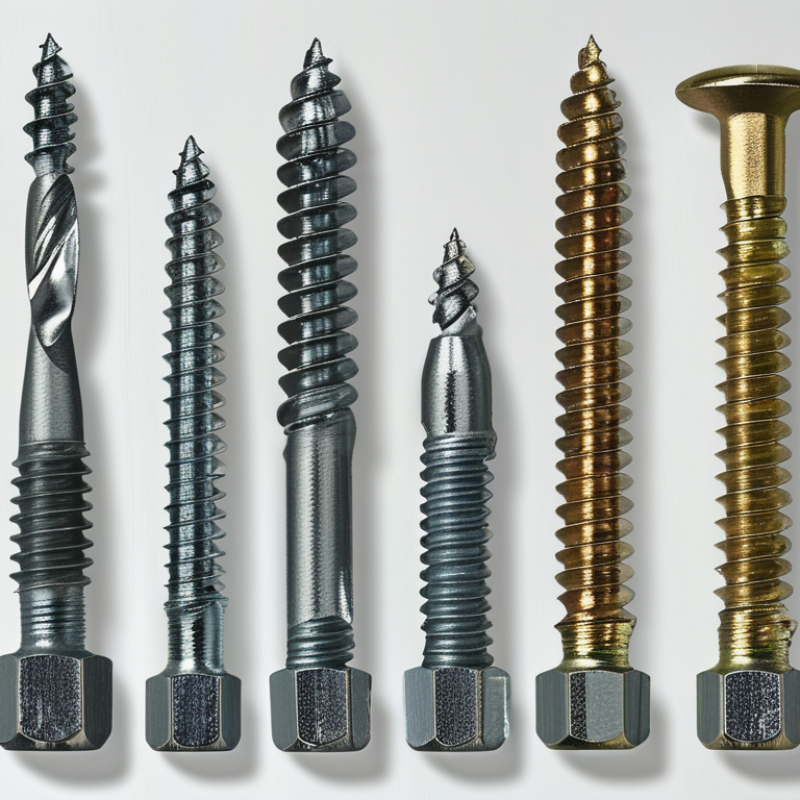
Types of Self-Drilling Drywall Screws: A Comparative Overview
When selecting self-drilling drywall screws, understanding their types is crucial. There are various screws designed for different projects. Standard self-drilling screws are great for drywall, providing efficiency and time savings. Then, there are screws with special coatings for moisture resistance, ideal for humid environments. Choose screws based on your specific needs.
Tips: Always consider the gauge of the screw. A thicker screw is more robust, perfect for heavy materials. For light jobs, a thinner screw will suffice. Check the drill point design as well. Some designs help reduce the risk of splitting the drywall.
Other types include screws with a bugle head for a flush finish and those with a sharp point to penetrate various materials. These options show the variety in performance and durability. Testing different types can yield better results. Embrace a trial-and-error approach; it aids in understanding which screw works best for your unique projects.
How to Choose the Best Self Drilling Drywall Screw for Projects?
| Type | Material | Coating | Head Type | Length (inches) | Recommended Use |
| Standard Self-Drilling | Steel | Zinc-Plated | Bugle | 1-1/4" | Drywall to wood framing |
| Self-Drilling with Wings | Steel | Phosphate Coated | Flat | 1-5/8" | Heavy-duty applications |
| Copper Plated | Steel | Copper Plated | Bugle | 2" | Metal to metal joints |
| Fire-Resistant | Steel | No Coating | Bugle | 1-3/4" | Fire-rated assemblies |
Essential Features to Consider When Choosing Drywall Screws
When choosing self-drilling drywall screws, consider several essential features. The length of the screw can significantly affect its performance. For standard drywall, screws between 1.25 to 2.5 inches are common. However, thicker materials might require longer screws to ensure stability. Using a screw that's too short can lead to weakness at the joint.
The screw's coating is another vital feature. Coated screws resist rust and corrosion, making them longer-lasting. A zinc coating is common and effective for most indoor projects. However, you might need more specialized coatings for damp environments. A poorly chosen coating can cause the screw to fail over time.
Thread design also influences effectiveness. Coarse threads provide better grip in softer materials while fine threads work best in denser substrates. Understanding these variations can make or break your project. It’s essential to evaluate the specific requirements of your application. Even seasoned professionals sometimes struggle with these choices, highlighting the need for thorough consideration.
Sizing and Length: How to Determine the Right Dimensions for Your Project
When selecting the correct size of a self-drilling drywall screw, understanding the dimensions is crucial. The length of the screw should typically exceed the drywall thickness by at least half an inch. For example, standard drywall is often 1/2 inch thick. Therefore, screws around 1 inch in length are ideal. This allows for secure fastening into the underlying framework while preventing screw protrusion.
Moreover, screw diameter significantly influences performance. A common choice is the #6 or #8 gauge size. A report by the Building Research Institute indicates that #8 screws offer greater shear strength, making them suitable for heavier installations. The choice of screw size can impact the finish and integrity of your project. Using overly long screws may risk damaging the framing, while too-short screws might fail to provide adequate support.
It's essential to assess the specific demands of your project. Different materials may require different screw types, adding complexity to your selection process. Adjusting for variables such as insulation or moisture can change your sizing needs. Reflecting on these details can elevate your project’s outcome and ensure lasting results.
Material Considerations: Selecting the Best Coating for Durability
When selecting self-drilling drywall screws, the coating is a critical factor. A screw's durability often hinges on its material and finish. Reports indicate that screws with a corrosion-resistant coating significantly outperform their uncoated counterparts in terms of lifespan. In moist or humid environments, for instance, rust can compromise the integrity of a screw within months. Data shows that galvanized screws can last up to 50% longer in such conditions.
In addition, the choice between different coatings—like zinc or powder coating—can affect performance. For projects involving exposure to chemicals or extreme temperatures, a more robust finish may be necessary. Research suggests that high-quality coatings can withstand wear and tear better, which is especially important in high-traffic areas.
However, not every choice is clear-cut. Some coatings may limit screw compatibility with specific materials, leading to potential issues. It's vital to balance durability with function to avoid problems down the line. Understanding the specific demands of your project can aid in selecting the best coating. Ultimately, a well-informed decision about coatings can elevate the longevity and effectiveness of your drywall installation.
Common Mistakes to Avoid When Purchasing Drywall Screws
When selecting drywall screws, many make common mistakes that can affect project outcomes. One frequent error occurs when people overlook the screw's length. Using screws that are too long can cause damage to the drywall and may even penetrate electrical wires hidden behind the wall. A proper measurement of the drywall thickness is essential for choosing the right screw length.
Another mistake to avoid is ignoring the screw's type and thread design. Some screws are designed for specific materials, like metal or wood studs. Not all screws are universal. Selecting the wrong type may lead to issues such as inadequate fastening. Also, many users fail to examine the screw coating. A poor-quality coating may lead to rust, undermining the screw's effectiveness over time.
Alongside these concerns, it's important to check for the screw's sharpness. Dull screws can cause unnecessary wear on your tools and make installation more laborious. Many overlook this detail while solely focusing on price. This oversight can lead to frustration and delays. By being mindful of these factors, you can ensure a smoother installation process with fewer complications.
 North American Safety Valve Industries, Inc.