What is a Damper Actuator and How Does It Work?
In the world of HVAC systems, the Damper Actuator plays a critical role. According to leading expert Dr. Emily Johnson, “A Damper Actuator is essential for regulating airflow and enhancing energy efficiency.” With advancements in technology, these devices have become more sophisticated. They allow precise control of air circulation, impacting comfort and energy savings in buildings.
However, not all Damper Actuators are created equal. Some overcomplicate simple tasks, leading to inefficiencies. Different types and designs may perform differently, depending on specific applications. System integrators often face confusion when selecting the right actuator, resulting in mismatched performance.
Understanding how a Damper Actuator functions is pivotal for anyone involved in energy management. This knowledge ensures optimal utilization of these devices. Sometimes, the intricacies can be overwhelming, but grasping the basics of their operation is crucial. Engineers must continually evaluate and reflect on their choices in this field. Each project is unique, and adapting to new challenges remains essential.
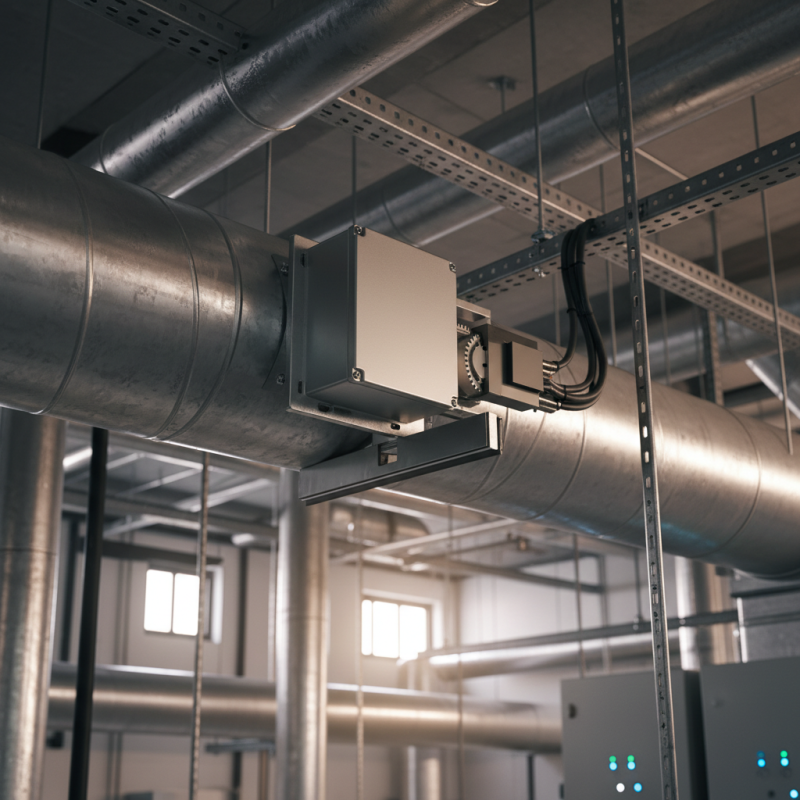
What is a Damper Actuator: Definition and Overview
A damper actuator is a device that controls airflow in HVAC systems. It operates by opening or closing a damper, which regulates the flow of air. This mechanism is crucial for maintaining desired indoor temperatures and improving energy efficiency. A damper actuator can be pneumatic, electric, or hydraulic, depending on its application.
These actuators work by responding to signals from thermostats or control systems. When temperature changes occur, the actuator adjusts the damper position. It might seem simple, but precision is crucial here. A small error in actuator performance can lead to insufficient heating or cooling. Damper actuators may need regular maintenance checks to ensure they function effectively.
In some cases, users might face challenges with actuator calibration. Inaccurate settings can lead to airflow issues. This can cause discomfort in a building or lead to higher energy costs. It's important to regularly inspect and test these devices, ensuring they respond correctly to control commands. Even small discrepancies can create significant problems over time. Understanding the function of damper actuators is key to optimizing HVAC efficiency.
What is a Damper Actuator and How Does It Work?
| Component | Description | Function | Applications |
| Damper Actuator | A device that controls the opening and closing of dampers. | Regulates airflow and maintains pressure within HVAC systems. | HVAC systems, industrial processes, and building ventilation. |
| Types | Electric, pneumatic, and mechanical actuators. | Each type offers different advantages based on control needs. | Custom applications in energy management and climate control. |
| Control Methods | Manual, automatic, and smart controls. | Allows for precise management of airflow and temperature. | Residential and commercial building management systems. |
| Sensors | Devices that detect temperature, pressure, and airflow. | Provide real-time data for damper operation adjustments. | Integrated in smart HVAC systems for efficiency. |
| Benefits | Energy savings, improved comfort, and airflow optimization. | Minimizes energy consumption while maintaining indoor air quality. | Used in energy-efficient designs and retrofits. |
Types of Damper Actuators Used in HVAC Systems
Damper actuators play a crucial role in HVAC systems. They help control airflow by adjusting dampers in ventilation systems. Various types of dampers exist, each suited for different applications.
One common type is the electric damper actuator. It receives signals from a thermostat or control system to open or close dampers. This precision allows for better energy efficiency. Studies show that HVAC systems can improve efficiency by 10-20% with the right actuator mechanisms in place.
Pneumatic actuators are another option. They use compressed air to function. While effective, they may require more maintenance and can be less precise. This can lead to inconsistent airflow. Also, many professionals underestimate the impact of actuator placement. Proper positioning can make a significant difference in performance. Users should regularly evaluate their systems for optimal efficiency. Such reflection often reveals areas for improvement.
How Damper Actuators Function: Mechanics and Technologies
Damper actuators play a crucial role in HVAC systems. They control airflow by adjusting the position of dampers in ventilation ducts. Understanding their mechanics helps us enhance efficiency and regulate indoor climate.
These actuators operate using electric motors, pneumatic pressure, or hydraulic force. Electric damper actuators are especially popular in modern systems due to their precision. According to industry reports, about 65% of facilities use electric actuators for better energy management. Pneumatic actuators, although powerful, can be less energy-efficient. They require compressed air to function, which can increase operational costs.
The technology behind these actuators is evolving. Some newer models can be integrated with smart building systems. This integration allows real-time data collection and remote control. However, the complexity can lead to installation challenges. Inadequate installation can decrease system performance and lifespan. Regular maintenance is needed for optimal function. Insufficient attention to maintenance might cause actuator failure, leading to increased energy use and discomfort in spaces.
Damper Actuator Performance Comparison
Key Performance Metrics of Damper Actuators in Industry Applications
Damper actuators play a crucial role in various industrial applications. They are vital for controlling airflow and temperature. This control is essential for maintaining system efficiency. One key performance metric is responsiveness. Reports indicate that a good actuator should respond within 1-2 seconds. However, many actuators fail to meet this standard.
Another important metric is torque output. Industry standards suggest a range of 5-40 Nm for various applications. Actuators on the lower end struggle with larger dampers. Efficiency can drop significantly, impacting overall system performance. Moreover, wear and tear over time can reduce output. Many actuators experience a gradual decline in efficiency, highlighting the need for regular maintenance.
Accuracy in positioning also matters. A deviation of even 2% can lead to significant issues in HVAC systems. In practice, many actuators miss this mark. This can result in energy waste and increased operational costs. Proper calibration and consistent monitoring are essential yet often overlooked. The challenge lies in finding a balance between cost and reliability.
Impact of Damper Actuator Efficiency on Energy Consumption
The efficiency of damper actuators significantly impacts energy consumption in HVAC systems. According to industry reports, inefficient actuators can lead to energy losses of up to 30%. When dampers are not positioned correctly, airflow is disrupted. This results in the HVAC systems working harder to maintain the desired temperature. Over time, this can lead to increased energy bills and higher carbon emissions.
Tips: Regular maintenance of damper actuators is crucial. Ensure they are calibrated correctly to avoid energy wastage. Small adjustments can lead to significant savings.
Furthermore, data suggests that optimizing actuator efficiency can yield a return on investment. Some systems report energy savings of 10-15% after upgrading their actuators. This efficiency not only reduces costs but also enhances indoor air quality. Many facilities overlook the importance of actuator performance, leading to unresolved issues in energy management.
Tips: Consider investing in smart actuators. They adjust based on real-time data, improving overall system efficiency. Regular audits can help identify areas needing improvement.
 North American Safety Valve Industries, Inc.