What is an Overflow Valve Block and How Does It Work?

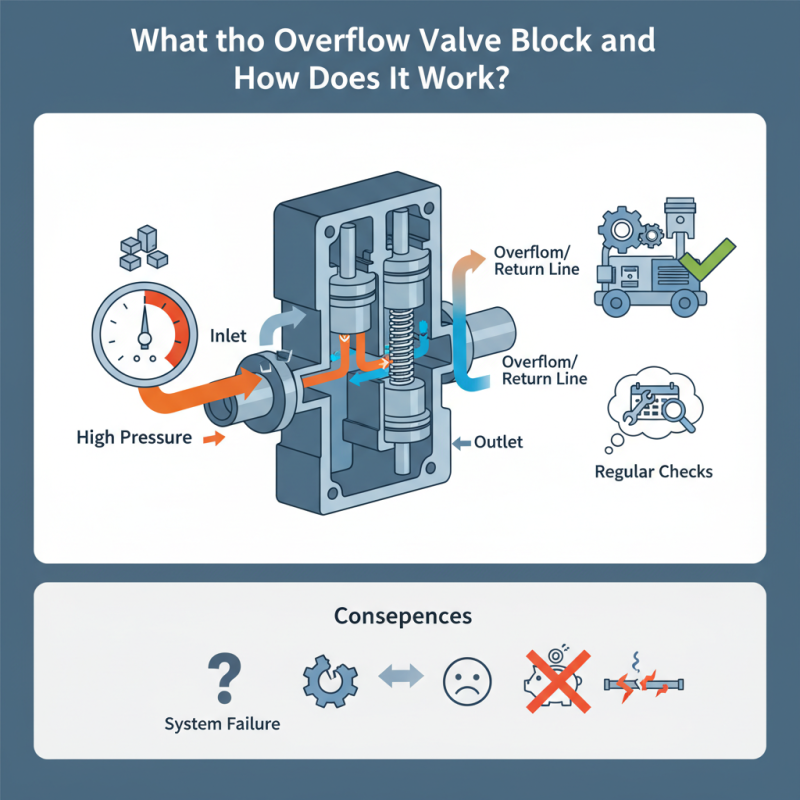
An Overflow Valve Block is a critical component in various hydraulic systems. It controls the flow of hydraulic fluid and maintains pressure levels. When pressure rises excessively, this valve prevents damage, ensuring system safety.

The design of an Overflow Valve Block can vary. Each configuration serves specific applications. Commonly, it includes one or more valves that redirect excess fluid. By doing this, it protects machinery and prolongs its lifespan. Misunderstanding or neglecting this part can lead to significant issues. System performance could decline, and costly repairs might follow.

Industry professionals often overlook these blocks. They may believe their systems are foolproof, but that’s a mistake. Regular checks ensure the Overflow Valve Block functions correctly. Neglecting it might result in unexpected breakdowns or inefficiencies. Reinforcing the importance of this component is vital for operational success.
What is an Overflow Valve Block and How Does It Work?

What is an Overflow Valve Block?

An overflow valve block is a crucial component in hydraulic systems. It prevents excessive pressure build-up by redirecting fluid. When the pressure exceeds a certain limit, the overflow valve opens. This allows extra fluid to flow back to the reservoir, maintaining system safety.

These blocks are often designed with simplicity in mind. They may include one or more valves that operate automatically. However, the design may sometimes lead to inefficiencies. For example, if the valve sticks or malfunctions, it can cause operational issues. Regular maintenance can help prevent such challenges.

Installing an overflow valve block requires careful consideration. It needs to be positioned correctly within the system. If not, it may not function as intended. Users should also monitor system performance regularly. Suboptimal configurations can lead to pressure spikes or inefficient operation. Understanding these nuances is essential for effective hydraulic system management.

Working Pressure of Different Types of Overflow Valve Blocks

This bar chart illustrates the working pressure of different types of overflow valve blocks. It helps visualize the variation in pressure handling capacity across various types used in hydraulic systems.

Components of an Overflow Valve Block

An overflow valve block is essential in hydraulic systems. Its main function is to control fluid pressure and prevent overpressure. Understanding its components is key to comprehending its operation.

The main components include the valve body, spring, and actuator. The valve body houses the internal mechanisms. It can withstand high pressure and provide a reliable seal. The spring is responsible for maintaining the preset pressure level. If the pressure exceeds this level, the spring compresses. This action opens the valve, allowing excess fluid to escape.

Another crucial component is the actuator. It responds to pressure changes and ensures the valve operates correctly. Sometimes, the system can become stuck or fail. Regular maintenance is often overlooked. This can lead to operational issues. Knowing each part helps in troubleshooting. Awareness of these elements is vital for maintaining system efficiency.

How Overflow Valve Blocks Function

Overflow valve blocks play a crucial role in various fluid systems. They maintain pressure levels by allowing excess fluid to escape, preventing damage from over-pressurization. This mechanism is essential in hydraulic systems and many machinery applications.

When pressure reaches a specific threshold, the overflow valve opens. Fluid flows through the block, diverting the excess away from delicate components. The design often includes springs or diaphragms that enable quick responses to pressure changes. The principles guiding these systems necessitate precision, yet they can sometimes falter. A minor issue in the valve can lead to significant failure in the system.

In practice, maintenance is key. Regular checks can identify leaks or wear. These problems can gradually affect system efficiency. Operators should be aware of the signs, such as unusual noises or fluctuations in pressure. Addressing these issues promptly can save time and cost down the line. Even a simple oversight could lead to costly repairs. Thus, understanding the mechanics of overflow valve blocks is essential for optimal operation.

Applications of Overflow Valve Blocks in Industry

Overflow valve blocks are vital components in many industrial applications. They help manage pressure. This is crucial in systems like hydraulic machinery. According to recent industry reports, over 70% of hydraulic failure is linked to pressure mismanagement. Proper use of overflow valve blocks can reduce such failures significantly.

In industries like manufacturing and construction, overflow valves protect equipment. They can prevent catastrophic failures caused by excessive pressure. Data shows that maintenance costs decrease by about 30% when overflow valves are correctly implemented. This highlights their importance in extending machinery lifespan. In oil and gas, these valves also safeguard pipelines. They prevent spills and leaks associated with overpressure situations.

While overflow valves are effective, they are not foolproof. Some operators may overlook regular maintenance, leading to inefficiencies. As a result, there is a pressing need for continuous training on proper usage. Industry analysts suggest that enhancing operator knowledge can improve system reliability. Misuse or neglect can still lead to dangerous oversights. Finding the right balance between technology and human interaction remains a complex challenge.

What is an Overflow Valve Block and How Does It Work? - Applications of Overflow Valve Blocks in Industry

Parameter Description Typical Applications Benefits
Flow Rate The volume of fluid that can pass through the valve block, measured in liters per minute (L/min). Hydraulic systems, industrial machinery Prevents overflow and maintains optimal system pressure
Pressure Setting The maximum pressure at which the valve is designed to operate before it opens to relieve pressure. Automotive systems, manufacturing equipment Enhances safety by preventing pressure buildup
Material Typically made from metals such as aluminum or steel for durability and strength. Construction machinery, agricultural equipment Long-lasting and resistant to wear and tear
Temperature Range The operating temperature limits for effective performance, usually ranging from -20°C to 80°C. Various industrial applications, HVAC systems Ensures reliable performance under fluctuating conditions
Size and Weight Dimensions and weight can vary depending on the application and design. Marine vessels, heavy-duty vehicles Compact design available for space-constrained applications

Maintenance and Troubleshooting of Overflow Valve Blocks

Overflow valve blocks play a crucial role in hydraulic systems. They help maintain pressure and ensure proper fluid flow. Regular maintenance is vital for optimal performance. Neglecting this aspect can lead to system failures.


One common issue is leakage. This can result from worn seals or fittings. Inspect these components regularly. Look for signs of wear or damage. Cleaning the block is also essential. Dirt and debris can impede its functionality. Use appropriate cleaning agents. Avoid harsh chemicals that could cause further damage.


Troubleshooting is an ongoing process. If the system shows abnormal behavior, take immediate action. Listen for unusual sounds. Fluctuations in pressure readings are red flags. Document your findings for better analysis. Sometimes, minor adjustments can make a big difference. Don't overlook the importance of a thorough inspection.