What Is Sealing Compound Types Uses and Benefits?
Sealing Compound is a practical material used to close gaps, joints, seams, and penetrations. It helps control water, air, dust, vibration, and chemical exposure. In construction, automotive, electronics, packaging, and industrial maintenance, small sealing failures can create expensive problems. A thin crack around a window frame may allow rain inside. A loose gasket may let oil reach sensitive components.
The market is broad and technically diverse. Grand View Research reports that the global construction sealants market continues to expand, supported by infrastructure renovation and energy-efficient building demand. Fortune Business Insights also identifies silicone, polyurethane, polysulfide, and acrylic products as important sealant categories. These reports use different definitions and market boundaries, so their forecasts should be compared carefully. That limitation matters.
Each type has a different working personality. Silicone remains flexible under temperature changes and ultraviolet exposure. Polyurethane often offers strong adhesion and abrasion resistance. Acrylic compounds are easier to paint in many interior applications. Polysulfide products are valued where fuel, water, or chemical resistance is important. Hybrid formulations attempt to balance durability, adhesion, and lower odor. No single compound fits every joint.
Professional selection requires more than checking price. Applicators should examine substrate condition, joint movement, temperature range, curing time, and chemical contact. ASTM C920 and ISO 11600 provide useful performance frameworks for many construction sealants. Manufacturer technical data sheets remain essential because similar products may behave differently. A properly prepared surface feels clean and dry, while a poorly prepared joint often fails quietly. The benefits are real, but they depend on correct specification, installation, and inspection.
Definition and Role: How Sealing Compounds Block Moisture, Air, and Chemicals
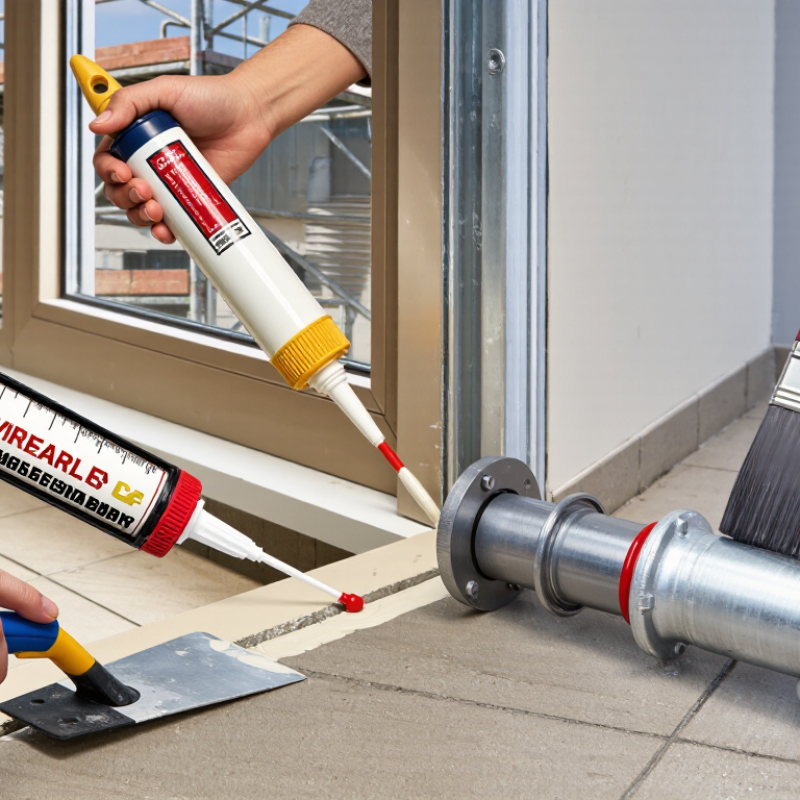
Sealing compounds are materials applied between surfaces to close gaps, joints, and small cracks. They form flexible or firm barriers against moisture, air, dust, and chemicals. Common types include silicone, polyurethane, acrylic, and polysulfide compounds. Each reacts differently to movement, temperature, and surface conditions. A sealed window joint may stop rainwater, while a pipe connection may resist vapor and chemical exposure.
Their performance depends on more than the product itself. The compound must match the surface, joint width, and expected movement. During site inspections, technicians often clean concrete dust and oil before application. A narrow joint beside a metal frame can fail when dirt prevents proper bonding. A steady bead matters. Uneven pressure may leave hidden channels for water or air. In industrial areas, chemical resistance also requires careful checking of the exposure, concentration, and contact time.
Small details decide reliability.
Sealing compounds can reduce corrosion, energy loss, and indoor drafts when correctly installed. They can also protect electrical enclosures from humid air and splash entry. However, no compound performs well everywhere. I have seen a flexible seal become brittle after repeated heat exposure, even though the original surface looked sound. That failure suggests a practical lesson: specifications should be verified against real conditions, not copied from a general guide. Curing time, ventilation, substrate moisture, and joint movement deserve attention. Sometimes the sealant is blamed first, although poor preparation caused the problem.
Main Types: Silicone, Polyurethane, Polysulfide, and Acrylic Sealants
What Is Sealing Compound Types, Uses, and Benefits?
Silicone, polyurethane, polysulfide, and acrylic sealants solve different joint problems. According to Grand View Research’s 2024 industry report, the global sealants market was valued at approximately USD 14 billion in 2023. Construction remains a major demand source, especially around windows, façades, roofs, and expansion joints. The market is projected to grow steadily through 2030.
Silicone sealants remain strong in glazing and sanitary areas. They resist ultraviolet exposure, moisture, and repeated temperature changes. Polyurethane sealants offer stronger abrasion resistance and paintability. They suit concrete joints, floors, vehicle bodies, and outdoor assemblies. Polysulfide sealants perform well where fuel, chemicals, and long-term water exposure are concerns. They are common in aerospace, marine, and insulating-glass applications. Acrylic sealants cost less and accept paint easily. However, they usually tolerate movement and moisture less effectively.
That choice matters. ASTM-based testing should examine adhesion, movement capability, weathering, and service temperature before installation. MarketsandMarkets reported in 2024 that construction applications represented a substantial share of global sealant demand, but field performance still depends on surface preparation. Dust, oil, trapped moisture, or an unsuitable primer can weaken even a technically excellent compound. The categories also overlap more than product charts suggest. I would avoid choosing only by price. A cheaper acrylic may work indoors, while a flexible silicone may be wasteful in a dry, low-movement joint. Real projects need joint width, substrate, climate, and maintenance records considered together.
Key Uses: Construction Joints, Glazing, Roofing, Automotive, and Electronics
What Is Sealing Compound Types Uses and Benefits?
Sealing compounds protect gaps from water, air, dust, vibration, and chemical exposure. Common types include silicone, polyurethane, acrylic, and butyl compounds. Each type behaves differently after curing.
Silicone remains flexible around windows and glazed panels.
Polyurethane often suits construction joints because it handles movement and abrasion.
Acrylic works well indoors, although moisture can reduce its performance.
In construction joints, the compound fills expansion gaps between concrete, metal, and masonry. Proper adhesion prevents cracking when surfaces expand or contract. Glazing applications need a clean bond around glass edges and frames.
On roofs, sealants close flashing joints, penetrations, and small surface gaps. Automotive technicians use them around doors, lights, seams, and body panels. Electronics may need thin protective sealing against humidity and dust.
The wrong product can soften, shrink, or detach. That happens more often than people expect.
Tips:
Clean and dry every surface before application. Check the joint width and expected movement. Apply a continuous bead without trapped air. Too much compound can look secure but cure unevenly. Test compatibility on a hidden area first. Allow full curing time before water exposure or mechanical stress. Temperature matters. Cold conditions can slow curing, while excessive heat may skin the surface too quickly. Even experienced installers sometimes overlook ventilation and surface contamination.
Benefits and Limits: 20–30-Year Durability, Flexibility, and VOC Factors
What Is Sealing Compound? Types, Uses, and Benefits
A sealing compound closes joints around windows, façades, roofs, pipes, and concrete panels. Its service life depends on movement, ultraviolet exposure, moisture, and surface preparation. With proper installation, many exterior elastomeric sealants can perform for 20–30 years. This is an expectation, not a promise.
ASTM C920 classifies sealants by movement capability, including ±25% and ±50% joint movement. Higher flexibility helps joints absorb thermal expansion and contraction. A dark façade can heat rapidly in sunlight, while a shaded joint stays cooler. Repeated stress eventually causes adhesion loss or surface cracking. ISO 11600 also evaluates classification and performance, but laboratory testing cannot reproduce every building condition.
VOC emissions deserve equal attention. California’s CDPH Standard Method v1.2 measures indoor emissions in environmental chambers, commonly after a 14-day conditioning period. Results can support healthier material selection, yet ventilation, curing temperature, and application thickness still affect occupants. Regional air-quality rules, including South Coast Air Quality Management District Rule 1168, set VOC limits for several architectural sealant categories. Check the current category, not just a general “low-VOC” claim. Small details matter. A clean, dry joint often outperforms a more expensive product applied over dust. The weak point is usually installation, and that deserves honest review.
Sealing Compound Types: Typical Service Life
Typical service life varies with joint movement, UV exposure, moisture, temperature, substrate preparation, and installation quality. Silicone compounds commonly provide about 20–30 years of service, while acrylic latex products generally have shorter outdoor durability. VOC levels depend on the formulation and local regulations; water-based products usually have lower VOC emissions than many solvent-based alternatives.
 North American Safety Valve Industries, Inc.