Top Pressure Relief Valve Manufacturers You Should Know?
The role of pressure relief valves in industrial applications is undeniable. These critical components ensure safety by preventing overpressure situations. According to a recent report by MarketsandMarkets, the global pressure relief valve market is projected to reach $5.3 billion by 2025, growing at a CAGR of 4.5% from 2020 to 2025.
When considering the best pressure relief valve manufacturers, it’s essential to focus on reliability and innovation. Leading manufacturers use advanced materials and technologies to meet safety standards. Companies like Emerson, flowserve, and Siemens have established a strong reputation in this field. Their products combine precision engineering with rigorous testing.
However, buyers must also be cautious. Some manufacturers may over-promise on performance. It is crucial to assess not only the specifications but also real-world performance. Understanding the manufacturer’s history and customer feedback can provide valuable insights. The choice of a pressure relief valve manufacturer can significantly affect system safety and reliability.
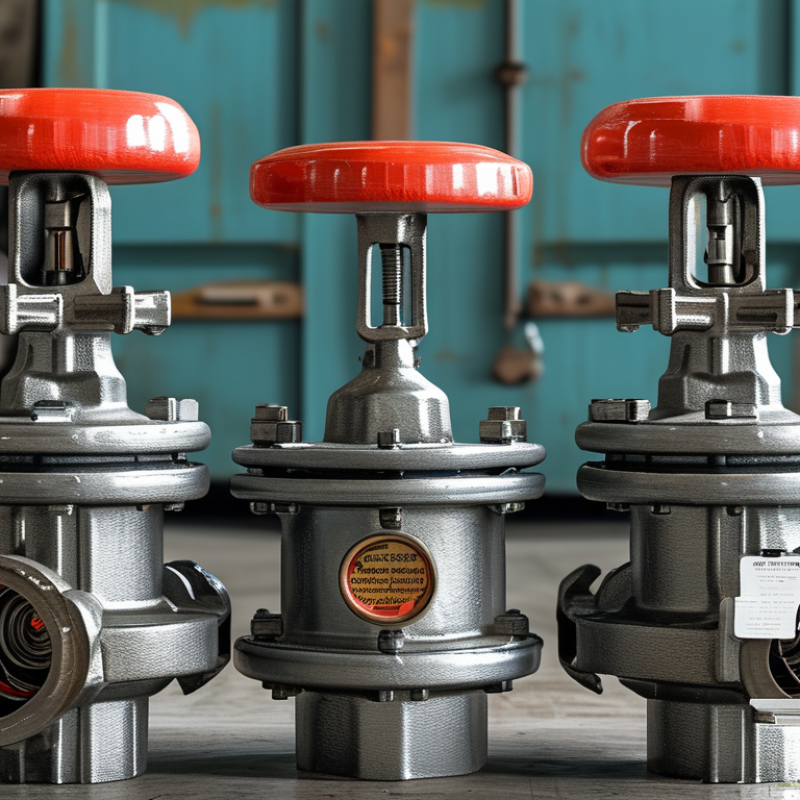
Overview of Pressure Relief Valves and Their Importance
Pressure relief valves play a crucial role in various industries. They maintain safety by regulating pressure levels in systems. When pressure exceeds a predetermined limit, these valves release excess pressure. This process prevents potential hazards such as explosions or equipment failures. Understanding how they operate is essential for engineers and operators.
Different types of pressure relief valves exist, each designed for specific applications. They can vary in size, material, and mechanism. Manufacturers usually produce valves that must meet strict quality standards. This ensures their reliability and effectiveness. Regular maintenance is vital to keep them functioning properly, yet often it is overlooked.
Many operators may neglect the importance of routine checks. A malfunctioning pressure relief valve can lead to severe accidents. This highlights the need for comprehensive training and awareness. Industries should foster a culture of safety and vigilance regarding pressure management. Only then can the full benefits of these essential components be realized.
Criteria for Selecting Top Pressure Relief Valve Manufacturers
When choosing top pressure relief valve manufacturers, understanding key criteria is essential. First, evaluate the manufacturer’s industry experience. Companies with decades of specialization tend to yield more reliable and efficient products. Reports show that manufacturers with over 20 years in the industry often have a solid reputation for innovation and safety.
Quality certifications also play a vital role. Look for manufacturers that possess ISO certifications which indicate compliance with international standards. These certifications reflect quality management systems that enhance product reliability. In fact, a recent survey indicated that 75% of top manufacturers hold ISO 9001 certification, ensuring they meet customer needs effectively.
Another critical factor is the range of products offered. Diverse options can indicate a manufacturer’s ability to cater to various applications. Specific designs can be essential for unique operational requirements. Sometimes, manufacturers with fewer products focus on quality.
Select a manufacturer that offers robust customer support. After-sales service is crucial for maintenance and troubleshooting. Many clients have reported dissatisfaction due to lack of support post-purchase. Prioritize manufacturers with good customer service records. Balancing experience, certifications, and customer support will greatly enhance your selection process.
Top Pressure Relief Valve Manufacturers You Should Know
| Manufacturer Location |
Market Share (%) |
Product Range |
Certifications |
Customer Ratings (out of 5) |
| North America |
25% |
Industrial, Commercial |
ISO 9001, API |
4.5 |
| Europe |
30% |
Oil & Gas, Water Management |
CE, ASME |
4.7 |
| Asia |
20% |
Chemical, Pharmaceutical |
ISO 45001, ISO 14001 |
4.6 |
| South America |
10% |
Mining, Energy |
ISO 9001 |
4.2 |
| Middle East |
15% |
Energy, Transport |
API, CE |
4.3 |
Leading Manufacturers in the Pressure Relief Valve Industry
The pressure relief valve industry plays a crucial role in safety and efficiency. Various manufacturers lead this field, showcasing expertise and reliability. These companies focus on developing innovative solutions that meet rigorous industry standards. Their commitment to quality ensures that pressure relief valves operate effectively under various conditions.
Many of these manufacturers have extensive experience. They understand the complexities involved in pressure systems. Some companies excel in customizing valves to fit unique applications. An impressive range of materials and designs is offered, catering to diverse sectors such as oil, gas, and chemical processing. However, the challenge remains to continually adapt to changing regulations and market demands.
Despite their strengths, no manufacturer is without flaws. Some may struggle with timely delivery or after-sales support. Others might face difficulties in scaling up production. Constant improvement is vital in this competitive landscape. Engagement with clients can provide valuable insights for enhancements. The balance between innovation and reliability remains a pressing concern for these leading manufacturers.
Innovative Technologies in Pressure Relief Valve Design
Innovative technologies in pressure relief valve design are shaping the industrial landscape. These valves ensure safety by releasing excess pressure in systems, but their design is evolving. Modern designs incorporate advanced materials and smart technologies for better performance.
New materials enhance durability and resistance to corrosion. Lightweight composites are becoming popular, improving efficiency without sacrificing strength. Some designs now feature built-in sensors. These sensors monitor performance in real-time, allowing for predictive maintenance. This helps prevent failures before they occur.
However, challenges remain in standardizing these innovations. Not all industries adopt the latest technologies due to cost or regulatory issues. This creates a gap between advanced designs and traditional implementations. It's crucial to find a balance between innovation and practicality. Overall, the evolution of pressure relief valves reflects ongoing advancements in engineering and technology.
Global Trends and Future Outlook for Pressure Relief Valve Manufacturing
The pressure relief valve (PRV) manufacturing sector is evolving rapidly. Recent market reports indicate a significant growth trend, with the global pressure relief valve market projected to reach USD 3.32 billion by 2025. This growth is driven by increasing industrial automation and stringent safety regulations across various sectors. Additionally, key players are investing more in research and development to enhance valve performance and reliability.
Future outlook shows a shift towards smart technologies in PRVs. Integrating IoT capabilities allows for real-time monitoring and data analytics. This shift is expected to raise efficiency and safety, addressing modern industrial challenges. However, the industry faces challenges such as supply chain disruptions and fluctuating raw material prices, which could impact production timelines and costs.
For manufacturers aiming to stay competitive, embracing sustainability is crucial. An increased focus on eco-friendly materials and processes can attract customers. Companies must also enhance their workforce skills to adapt to technology advancements. Continuous training ensures staff can effectively manage new systems. Companies may need to reflect on their practices to remain relevant in a fast-paced market.
 North American Safety Valve Industries, Inc.