What Is a TCU Temperature Controller Machine?

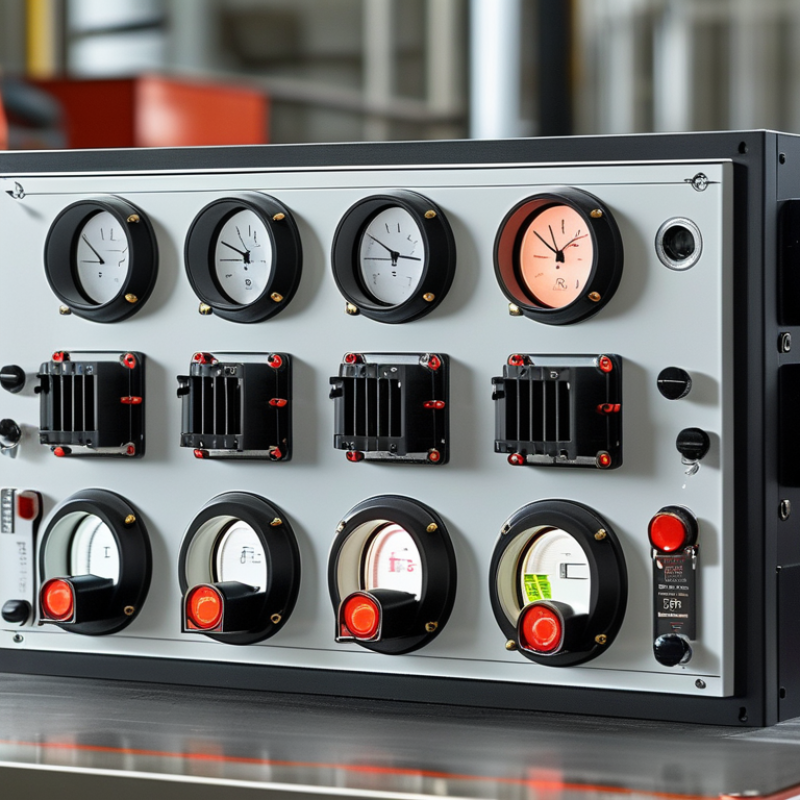
A TCU Temperature Controller Machine regulates the temperature of molds, dies, rollers, and other process equipment. It circulates water or thermal oil through a closed loop. The system combines heaters, cooling valves, pumps, sensors, and a programmable controller. Stable thermal control protects product quality when production conditions change.

The need is substantial. PlasticsEurope’s Plastics—The Facts 2023 report recorded 400.3 million tonnes of global plastics production in 2022. Every molded component depends on controlled heat transfer, from a thin medical housing to a thick automotive panel. The U.S. Department of Energy also reports that process heating represents about 51% of industrial energy use in American manufacturing. A well-selected TCU Temperature Controller Machine can therefore influence cycle time, scrap levels, surface finish, and energy consumption.

Performance is not only about reaching a setpoint. Operators should examine temperature uniformity, pressure stability, response time, flow rate, alarm functions, and maintenance access. A display may show 80°C, while a blocked channel creates colder areas inside the mold. That difference matters. Not every application needs the most powerful unit; excessive capacity can increase cost and control difficulty. This guide explains how these machines work, where they fit, and which specifications deserve closer review. Some results remain application-dependent. Real production trials are still necessary. Temperature control looks simple from the outside. It rarely is.
What Is a TCU Temperature Controller Machine?

Definition and Purpose of a TCU Temperature Controller Machine

A TCU temperature controller machine is an industrial system that regulates the temperature of a process fluid. The fluid may be water or thermal oil. A pump circulates it through equipment, while heaters and cooling circuits adjust its temperature. Sensors measure real-time conditions and send data to the control system.

Its main purpose is stable heat management. In plastic processing, a TCU can control a mold’s temperature during production. In chemical or food equipment, it can support heating, cooling, or holding stages. Stable temperature improves product consistency, protects sensitive materials, and reduces stress on machinery. Even small temperature changes can affect surface quality, cycle time, or viscosity.

Operators usually check the setpoint, actual temperature, pressure, and fluid level before operation. A clean filter and correctly connected hoses also matter. A TCU cannot correct every process problem. Poor insulation, blocked channels, or an inaccurate sensor may still cause uneven heating. This is where practical inspection becomes important. The display may look normal, yet the equipment can perform poorly. Regular calibration and maintenance help confirm that the shown temperature matches the real process condition. Safety controls, including over-temperature protection and emergency shutdown functions, should be tested according to the equipment manual and applicable industrial requirements.

Main Components and How the System Works

What Is a TCU Temperature Controller Machine?

A TCU temperature controller machine regulates fluid temperature for molds, rollers, tanks, and process equipment. Its main components include a circulation pump, heater, cooling valve, heat exchanger, reservoir, and temperature sensors. A filter helps remove particles before they reach sensitive passages. Safety devices monitor pressure, flow, and excessive temperature.

The system begins when the pump sends thermal fluid through connected hoses. The fluid absorbs heat from the process equipment and returns to the TCU. A sensor measures the return temperature continuously. The controller compares that reading with the selected setpoint. It then adjusts the heater or cooling valve. This feedback cycle keeps the outlet temperature within a controlled range. Small changes matter.

In practical operation, hose length, fluid level, and trapped air can affect performance. An apparently accurate sensor may still show unstable readings if the flow is weak. Technicians usually check filters, connections, and pump noise before changing control settings. A clean heat exchanger transfers heat more effectively. Yet maintenance alone cannot fix incorrect sizing. A TCU with limited flow may struggle against a large thermal load, especially during rapid production changes. The setpoint looks right. The process may not. Regular calibration and recorded inlet, outlet, pressure, and flow data make faults easier to trace. Human judgment remains necessary, because real systems rarely behave perfectly.

Temperature Control Methods and Operating Process

What Is a TCU Temperature Controller Machine?

A TCU temperature controller machine regulates heating and cooling for molds, reactors, rollers, and other process equipment. It circulates water or thermal oil through a closed loop. A sensor measures the outlet temperature, while a controller compares it with the target value. The system then adjusts heaters, cooling valves, or pump speed. The International Energy Agency reported in Energy Efficiency 2023 that industry consumes about 37% of global final energy. Better temperature control can reduce waste, although savings depend on insulation, load changes, and maintenance.

Temperature Control Methods and Operating Process

Water-based control suits moderate temperatures and provides fast heat transfer. Thermal oil supports higher temperatures, but it needs careful fluid inspection and leak prevention. PID control is common because it limits overshoot during startup. Some systems use cascade control for unstable loads. The U.S. Department of Energy’s Industrial Decarbonization Roadmap states that process heating represents about 51% of manufacturing energy use. That figure makes operating discipline important.

The process begins with checking fluid level, hose connections, filters, and sensor condition. Fill the circuit slowly. Remove trapped air. Set the temperature limit before starting circulation. The pump should run before heating begins. During operation, watch supply temperature, return temperature, pressure, and flow. A sudden return-temperature rise may indicate poor heat transfer or a blocked path. Cooling should begin before shutdown. Do not rush this step. In practice, operators sometimes trust the display too much. Independent calibration is still necessary, especially when product quality depends on a narrow temperature range.

What Is a TCU Temperature Controller Machine? - Temperature Control Methods and Operating Process

Data Dimension Typical Specification or Description Operating Significance
Definition A TCU, or Temperature Control Unit, is a machine that heats, cools, circulates, and regulates a heat-transfer fluid connected to a process. It maintains a stable process temperature and reduces temperature variation during production.
Main Heat-Transfer Media Water, pressurized water, thermal oil, or another compatible process fluid. The selected fluid determines the usable temperature range, heat-transfer performance, pressure requirements, and safety controls.
Heating Method Electrical resistance heaters transfer heat directly to the circulating fluid. Some systems may use steam or another external heat source. Heating capacity is selected according to the process load, start-up time, fluid volume, and required temperature.
Cooling Method Cooling may use plant cooling water through a heat exchanger or a mechanical refrigeration circuit with a compressor and condenser. Cooling-water systems are common where a suitable utility is available; refrigeration is used when lower or more independent cooling is required.
Typical Water-Based Range Approximately 5–180°C, depending on system pressure, fluid design, materials, and manufacturer specifications. Pressurized water is required for temperatures above the normal atmospheric boiling point of water.
Typical Oil-Based Range Approximately 50–350°C for suitable thermal oils and properly rated equipment. The actual limit depends on oil properties, oxidation resistance, viscosity, heater design, seals, and system pressure.
Temperature Control Accuracy Commonly about ±0.5 to ±1.0°C under stable operating conditions; some applications require tighter control. Accuracy is influenced by sensor location, fluid circulation, heat-load changes, insulation, controller tuning, and equipment sizing.
Temperature Sensor Resistance temperature detectors such as Pt100 sensors or thermocouples are commonly used. The sensor provides feedback to the controller so heating and cooling output can be adjusted automatically.
Control Strategy Closed-loop proportional–integral–derivative control, commonly called PID control. PID control compares the measured temperature with the setpoint and reduces overshoot and temperature fluctuation.
Circulation System A pump circulates the heat-transfer fluid from the TCU to the process equipment and returns it to the unit. Adequate flow is necessary for uniform heat transfer and to prevent localized overheating or cooling.
Pressure Monitoring Pressure switches, transmitters, or gauges monitor circulation pressure and system conditions. Low-flow or abnormal-pressure conditions can trigger an alarm or stop the heater to protect the system.
Expansion and Venting Expansion tanks, automatic vents, or manual air-release arrangements may be used depending on the fluid and temperature range. These components accommodate fluid expansion and help remove trapped air that could reduce circulation efficiency.
Operating Process: 1. Inspection Check electrical connections, fluid level, hoses, valves, filters, cooling-water availability, and visible leakage. Pre-start inspection helps prevent dry running, poor circulation, leaks, and unsafe operation.
Operating Process: 2. Filling and Venting Fill the circuit with the specified clean heat-transfer fluid and remove trapped air according to the equipment procedure. Correct filling and venting improve pump performance and temperature stability.
Operating Process: 3. Start Circulation Start the pump first and verify flow, pressure, and return temperature before enabling heating or cooling. Flow verification protects the heater and ensures that heat is transferred evenly.
Operating Process: 4. Set Temperature Enter the required setpoint on the controller, confirm the control mode, and check alarm limits. The setpoint should remain within the rated range of the TCU, fluid, hoses, seals, and process equipment.
Operating Process: 5. Heat or Cool The controller energizes the heater when the process is below the setpoint and activates cooling when the process is above the setpoint. The system continuously adjusts output to maintain the target temperature.
Operating Process: 6. Stabilization Allow the outlet and return temperatures to stabilize before starting temperature-sensitive production. Stabilization reduces process variation caused by thermal inertia and changing heat loads.
Operating Process: 7. Monitoring Monitor setpoint, actual temperature, flow, pressure, fluid level, alarms, and process return conditions. Regular monitoring identifies blocked filters, pump problems, leaks, sensor faults, or insufficient cooling capacity.
Operating Process: 8. Shutdown Disable heating or cooling as required, allow the fluid to reach a safe temperature, continue circulation for the recommended cooldown period, and then stop the pump. Controlled shutdown protects components from thermal shock and prevents residual heat from damaging the fluid or connected equipment.
Common Applications Plastic processing, die and mold temperature control, extrusion, chemical processing, food processing, pharmaceutical production, laboratory systems, and composite manufacturing. TCUs are used wherever a process requires controlled and repeatable heating or cooling.
Key Safety Protections High-temperature cutoff, low-flow protection, low-fluid-level protection, overpressure protection, pump overload protection, sensor-failure alarm, and emergency stop functions. Protection devices help prevent overheating, dry running, pressure-related damage, electrical faults, and unsafe process conditions.
Maintenance Requirements Inspect hoses and connections, clean filters and heat exchangers, verify sensors, check pump performance, test alarms, and replace or condition the process fluid when required. Routine maintenance preserves heat-transfer efficiency, measurement accuracy, reliability, and service life.

Key Applications Across Industrial Manufacturing

A TCU temperature controller machine regulates heat transfer fluid around a manufacturing process. It can heat, cool, circulate, and monitor the fluid continuously. Sensors measure actual temperatures near the mold, die, vessel, or production tool. A control system then adjusts heating or cooling output. Stable temperature matters because small changes can affect dimensions, surface quality, curing time, and material flow.

In injection molding, TCUs help maintain mold temperatures during repeated cycles. This supports more consistent parts and reduces warping risks. Extrusion lines use them to control barrel zones, dies, and auxiliary equipment. In die casting, controlled thermal conditions can improve tool stability and reduce thermal shock. Composite manufacturers may use TCUs during resin curing, where uneven heat can weaken finished components. Some food and chemical processes also depend on controlled jacket temperatures.

Industrial users should match the TCU with fluid type, flow rate, pressure, and operating range. Oversized equipment may waste energy and create unstable control. Undersized equipment may recover too slowly between cycles. That assumption can fail. Operators sometimes set temperatures by habit instead of reviewing sensor data. Calibration, filter cleaning, leak checks, and alarm testing provide practical reliability. I have found that poor circulation often looks like a controller problem. It may actually involve blocked lines, trapped air, or incorrect piping. Regular records help engineers identify these patterns before product variation becomes expensive.

Selection, Maintenance, and Safety Considerations

What Is a TCU Temperature Controller Machine?

A TCU controls heat transfer fluid temperature for molding, extrusion, testing, and other process equipment. Selection starts with the actual heat load, not the machine’s advertised temperature range.

The U.S. Department of Energy’s 2022 Industrial Decarbonization Roadmap identifies process heating as roughly 51% of manufacturing energy use.

An undersized TCU may run continuously, waste energy, and produce unstable parts. Check heating capacity, cooling capacity, pump flow, fluid compatibility, control accuracy, and ambient conditions. Leave a margin for startup loads.

Maintenance should be practical and measurable. Inspect hoses for swelling, check filters, verify pressure, and record inlet and outlet temperatures. Pump vibration deserves attention. So does a slow rise in temperature.

These clues often appear before an alarm. Clean heat exchangers according to fluid conditions, not a fixed calendar. That advice is imperfect because every process contaminates fluid differently.

A clean display does not prove a healthy system.

Safety requires isolation before service, guarded hot surfaces, leak detection, and documented emergency procedures.

OSHA’s FY2023 enforcement data listed 2,554 lockout/tagout violations, showing how common uncontrolled energy remains.

Use temperature-rated gloves and face protection when opening hot circuits. Confirm relief devices and high-temperature cutoffs during scheduled checks. Keep alarm records.

They reveal repeated operator habits and failing components. Selecting a TCU without reviewing these records is convenient, but not reliable.