What Is a Water Pressure Regulator Valve?

A Water Pressure Regulator Valve controls incoming water pressure before water reaches household fixtures, appliances, and plumbing lines. It reduces excessive pressure and keeps flow more stable. Without proper control, a quiet morning shower can become a sharp, damaging surge.

The need is practical, not theoretical. The U.S. Environmental Protection Agency’s WaterSense program reports that household leaks waste nearly one trillion gallons of water annually across the United States. Not every leak results from high pressure, but excessive pressure can worsen weak joints, worn washers, and aging supply pipes. The International Plumbing Code commonly identifies 80 psi as the upper threshold for static water pressure, while local requirements may differ. Professional installation should follow applicable codes and manufacturer instructions.

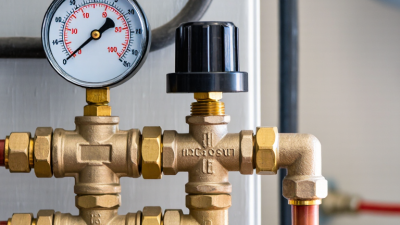
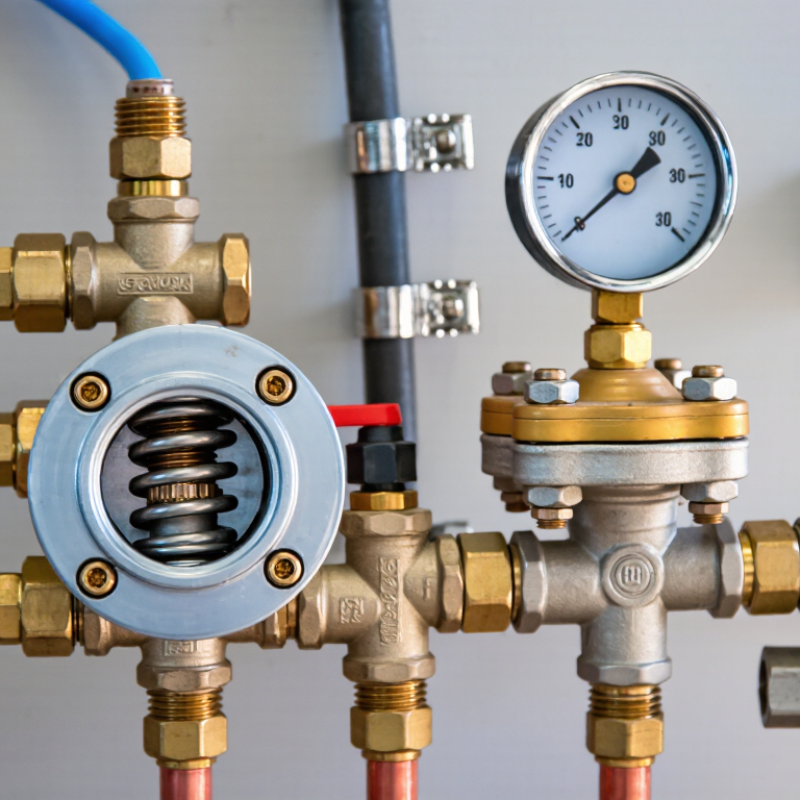
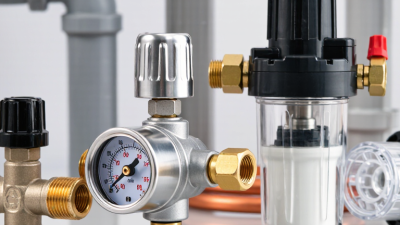
A regulator typically contains a spring, diaphragm, and adjustable valve seat. These parts respond to inlet pressure and maintain a lower downstream setting. A pressure gauge can reveal what the plumbing actually experiences, especially when taps open or close suddenly. That small movement matters.

Standards also support careful selection. ASSE 1003 and CSA B356 address pressure-reducing valves for potable water systems, helping buyers compare tested products rather than relying on appearance alone. Still, a regulator is not a universal repair. A failing expansion tank, clogged filter, or municipal supply issue may create similar symptoms. This distinction is easy to overlook.

This guide explains how a Water Pressure Regulator Valve works, where it belongs, and when adjustment or replacement makes sense. Real plumbing conditions vary. Check the pressure first.
What Is a Water Pressure Regulator Valve?

Definition and Purpose of a Water Pressure Regulator Valve

What Is a Water Pressure Regulator Valve?

A water pressure regulator valve is a mechanical device that controls excessive water pressure entering a building. It reduces unstable supply pressure to a safer, usable level. Inside, a spring and diaphragm respond to downstream pressure. Together, they adjust the valve opening as water demand changes.

The purpose is protection. Excessive pressure can stress pipes, loosen connections, and shorten the life of faucets, washing machines, and water heaters. A regulator can also reduce banging sounds when valves close suddenly. In practice, a pressure gauge helps confirm whether the valve is working correctly. Many residential systems operate near 40 to 60 psi, but the correct setting depends on local requirements and the plumbing design.

A regulator does not create pressure when the supply is weak. It only lowers pressure that is too high. That distinction is often missed. The valve may also need a strainer, an accessible shutoff, and periodic inspection. Sediment can affect its response, causing pressure to rise or fluctuate. I have seen a quiet installation become troublesome after months of unnoticed buildup. Adjusting the spring without measuring pressure is another common mistake. A qualified plumber should test static and flowing pressure, inspect the valve size, and follow applicable plumbing codes before making changes.
How a Water Pressure Regulator Valve Controls Water Flow

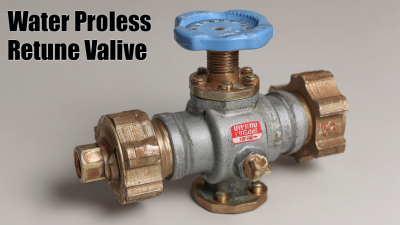
A water pressure regulator valve controls flow by responding to pressure changes on the outlet side. It sits on the incoming water line, usually near the main shutoff. Inside, a spring presses against a diaphragm and valve seat. When downstream pressure drops, the valve opens wider and allows more water through. When pressure rises, it narrows the opening. This balancing action protects pipes, faucets, heaters, and appliances from excessive pressure.

The valve does not create more water. It limits pressure. That distinction matters. When several fixtures open, the regulator permits enough flow while maintaining a safer outlet pressure. If only one tap runs, it restricts the supply more firmly. A pressure gauge can show whether the setting remains stable. Turn the adjustment slowly, then wait before reading the gauge. Small changes matter. Regulation is not perfectly instant, so pressure can briefly swing when a toilet fills or a washing machine starts. That delay is normal, but large fluctuations deserve inspection.

A common mistake is blaming the regulator for every weak stream. A blocked inlet filter, damaged pipe, or poor municipal supply may be responsible. These details are easy to overlook. A trained plumber can test static and working pressure, inspect the valve, and confirm correct installation. Local plumbing requirements should guide repairs and replacement.

What Is a Water Pressure Regulator Valve? - How a Water Pressure Regulator Valve Controls Water Flow

Data Dimension Reference Value or Typical Range How It Works Effect on Water Flow and System Performance
Device Definition Pressure-reducing valve installed in a water supply line A spring-loaded diaphragm or piston senses downstream pressure and adjusts an internal valve opening. It reduces excessive inlet pressure and maintains a more stable pressure in the downstream plumbing system.
Primary Control Variable Downstream water pressure The valve responds to pressure after the regulator rather than directly measuring gallons per minute or liters per minute. Water flow changes as needed by fixtures, while the regulator works to keep outlet pressure near its set point.
Common Residential Outlet Pressure Approximately 40–60 psi (276–414 kPa) The pressure setting is selected according to the building, plumbing components, and local requirements. This range generally provides usable fixture performance without unnecessarily high pressure. The correct setting varies by installation.
Pressure Conversion 1 psi = 6.895 kPa; 1 bar = 100 kPa Pressure can be expressed in pounds per square inch, kilopascals, or bar. Using consistent units helps installers select the correct setting and interpret pressure-gauge readings accurately.
Inlet Pressure May be higher and more variable than the outlet setting The regulator restricts the opening when inlet pressure is greater than the desired downstream pressure. Lower outlet pressure helps reduce stress on pipes, faucets, appliances, water heaters, and hose connections.
No-Flow Condition Outlet pressure approaches the adjusted set pressure When fixtures are closed, the valve moves toward a nearly closed position to prevent downstream pressure from continuing to rise. Static pressure is controlled, although a small amount of pressure variation can occur because of valve tolerance or wear.
Flowing Condition Outlet pressure may decrease slightly as demand increases Opening a fixture increases flow through the valve. Internal friction and valve capacity create a pressure drop. This pressure change is known as droop. Correct sizing helps maintain adequate pressure during simultaneous demand.
Flow Regulation Principle Pressure-based control, not constant-flow control The valve opens farther when downstream pressure falls and closes farther when downstream pressure rises. It does not guarantee a fixed flow rate. Actual flow also depends on pipe size, fixture restrictions, elevation, and available pressure.
Pressure Loss Through Valve Increases as flow rate increases Water loses energy as it passes through the valve body and internal control components. Excessive pressure loss can cause weak showers, slow filling, or insufficient flow at fixtures.
Sizing Factor Pipe connection size, required flow rate, and allowable pressure drop A properly sized regulator must handle the expected peak demand without operating continuously at its limit. A larger connection size alone does not guarantee higher flow; the valve capacity and system design must also be suitable.
Flow-Demand Example One open fixture creates less demand than several fixtures operating together As more fixtures open, total flow rises and the regulator may open further to maintain downstream pressure. Simultaneous use can produce a larger pressure drop, especially when the regulator, meter, or supply pipe is undersized.
Internal Strainer Common feature on many pressure regulator designs A mesh screen captures rust, scale, and other particles before they reach the control seat. A clogged strainer can restrict flow and cause low downstream pressure, so it should be inspected when performance declines.
Adjustment Mechanism Usually a screw or bolt with a locknut Turning the adjustment changes spring compression, which changes the downstream pressure set point. Adjustment should be made gradually while monitoring a pressure gauge. Excessive adjustment can increase stress on the plumbing system.
Pressure Gauge Installed downstream for setup and monitoring The gauge displays static pressure when fixtures are closed and dynamic pressure while water is flowing. Comparing both readings helps identify pressure drop, inadequate supply, clogged components, or regulator problems.
Thermal Expansion Possible pressure increase in a closed plumbing system Water expands when heated. If backflow prevention or a check valve prevents reverse flow, the pressure increase remains in the system. A properly sized thermal expansion tank may be required to control pressure fluctuations near a water heater.
What the Valve Does Not Do It does not replace a shutoff valve, backflow preventer, or relief valve Each device has a different purpose: isolation, reverse-flow protection, or emergency pressure relief. A complete plumbing system may need several separate safety and control components.
Common Signs of a Problem Low flow, pressure fluctuations, noisy operation, or rising static pressure Possible causes include a blocked strainer, worn diaphragm, damaged seat, incorrect adjustment, or inadequate supply pressure. Testing pressure before and after the regulator can help distinguish a valve fault from a broader plumbing-system problem.
Maintenance Consideration Periodic inspection based on water quality and system conditions Hard water, sediment, corrosion, and long service periods can affect moving parts and internal seals. Cleaning or replacing serviceable components can restore pressure control, but installation and repair should follow applicable plumbing requirements.
Values shown are general engineering references. Actual pressure settings, flow capacity, allowable pressure loss, and maintenance intervals depend on the valve design and the plumbing installation.

Main Components and Common Valve Designs

A water pressure regulator valve controls incoming water pressure before it reaches household pipes. It protects fixtures from excessive force and reduces stress on joints. Inside, a spring presses against a diaphragm or piston. The pressure setting balances that spring against downstream water pressure. When pressure rises, the valve restricts the inlet opening. When pressure falls, it opens farther. Simple in theory, but adjustment can be sensitive.

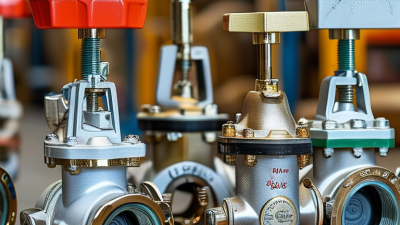
The main components include the valve body, inlet and outlet ports, adjusting screw, spring, sensing diaphragm, and internal seat. A strainer may be fitted upstream to catch grit before it reaches the seat. Direct-acting designs use the diaphragm and spring in one compact assembly. They are common in homes and respond quickly to changing demand. Pilot-operated designs use a smaller control valve to manage a larger flow path. They suit larger buildings, where stable pressure matters across several outlets. Some valves use a piston instead of a diaphragm. Piston designs can tolerate certain conditions, although they may transmit more movement through the mechanism. Choosing by pipe size alone is a mistake. Flow rate, pressure range, water quality, and service access also matter.

Tips: Close nearby taps and measure static pressure before installation. Then measure pressure while water is flowing. A safe reading at rest may drop sharply during use. Leave room above the valve for adjustment and below it for cleaning. Check the arrow on the body. It must follow the water direction. Maintenance becomes difficult when a valve is installed against a wall. That detail is easy to overlook. If pressure remains unstable, inspect the strainer, seat, and downstream demand before changing the setting. Record the final pressure for future service.

Where Water Pressure Regulator Valves Are Used

A water pressure regulator valve controls incoming water pressure before it reaches a building’s plumbing system. It reduces unstable supply pressure to a safer, more usable level. Without regulation, sudden pressure spikes may stress pipes, faucets, water heaters, and washing machines.

These valves are commonly installed where a property connects to a high-pressure municipal water main. In a home, the valve often sits near the main shutoff, usually in a basement, utility room, or outdoor meter box. A pressure gauge can show whether the setting remains stable. For example, a building receiving 90 psi may need regulation before water enters its interior piping. Small details matter.

Apartment buildings use regulators to protect shared risers and individual units. Commercial kitchens, offices, schools, and clinics may also need them because many fixtures operate at once. Irrigation systems can use separate regulation to prevent broken sprinkler heads and uneven watering. Industrial facilities may install several valves because different areas require different pressures.

Selection is not always perfect. Pipe size, flow demand, elevation, and backpressure can change performance. A valve that works well in a quiet house may be too small for a busy building. In practice, technicians check pressure during low and high demand, then inspect the gauge after installation. Maintenance is sometimes overlooked. Sediment can affect the internal parts, especially in older plumbing systems.

Selection, Installation, and Maintenance Considerations

What Is a Water Pressure Regulator Valve?

A water pressure regulator valve reduces excessive supply pressure before water enters a building. It protects faucets, heaters, washing machines, and pipe joints from stress. Many North American plumbing codes use 80 psi as a maximum household pressure. Local requirements still vary. Check them.

Selection should match the pipe size, flow demand, pressure range, and water temperature. A pressure gauge makes adjustment measurable, not guesswork. The Water Research Foundation’s Residential End Uses of Water, Version 2, found leaks represented about 12.7% of indoor household use. That makes stable pressure valuable, but a regulator cannot repair damaged pipes. Choose a model with replaceable internal parts and accessible adjustment hardware. Keep it accessible.

Installation needs an isolation valve, correct flow direction, and a clean upstream strainer when conditions require one. Set pressure under normal flow, then test again with every fixture closed. A static reading can hide pressure spikes. If a check valve or backflow device is installed, thermal expansion may require an expansion tank. The U.S. Environmental Protection Agency’s WaterSense guidance reports that household leaks can waste nearly 10,000 gallons annually. Small failures become expensive. Maintenance should include gauge checks, seepage inspection, and gradual pressure adjustment. Do not guess. A neglected regulator may appear functional while its diaphragm slowly loses control.