
Reaction Injection Molding is often chosen when a part needs more than a simple shape. It can produce lightweight polyurethane components with thick sections, integrated ribs, and soft-touch surfaces. Think of a molded equipment cover: its outer skin can feel firm, while its inner structure absorbs vibration. The process mixes two reactive liquid components, then injects them into a closed mold. The material expands and cures in place.
Why choose it? RIM can suit large parts, complex geometry, and moderate production volumes. Tooling may cost less than tooling for some high-pressure molding processes, though actual costs depend on part design and production scale. It can also reduce assembly steps by combining features in one component. Still, the result depends on careful control of temperature, mix ratio, mold design, and cure time. A small process variation can leave a visible defect or uneven surface. That deserves attention.
Otto Bayer’s polyurethane research helped lay the groundwork for materials used in RIM. I cannot verify a direct quotation from him about this specific process, so I will not invent one. The practical lesson is clear: material chemistry and part design must work together. Reaction Injection Molding is not automatically the best choice. Engineers should compare performance targets, expected volume, finish requirements, and total cost before committing. A prototype can reveal problems that a tidy drawing misses. That is sometimes inconvenient, but useful.
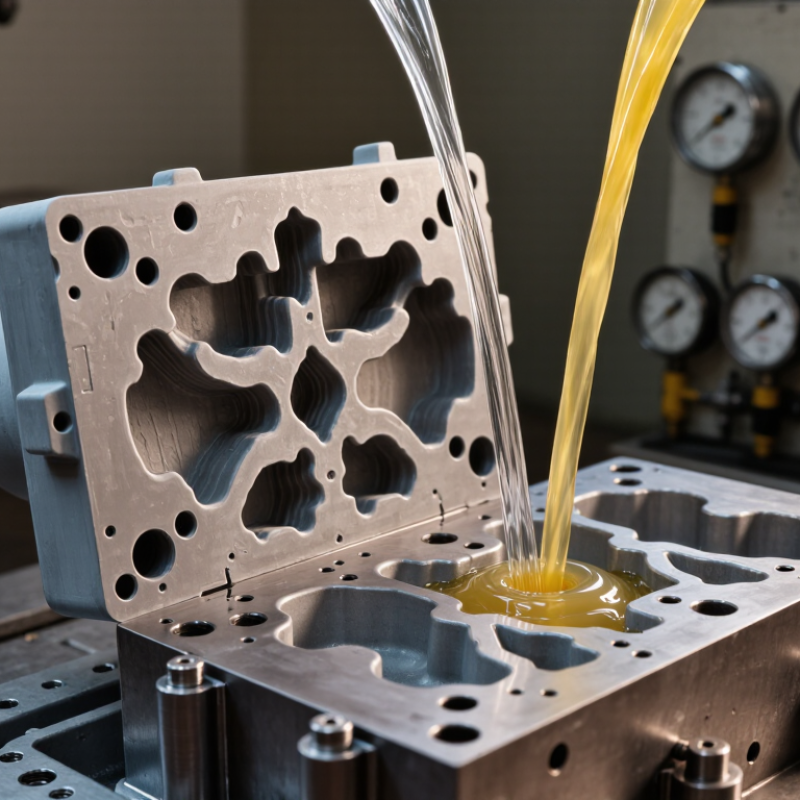
Why Choose Reaction Injection Molding?
What Reaction Injection Molding Is
Reaction injection molding, or RIM, forms parts by mixing reactive liquid components and injecting them into a closed mold. The chemistry continues inside the mold, where the material cures into a solid. Polyurethane is commonly used. Depending on its formulation, it can create a firm panel, a flexible component, or a molded part with a foam core. The liquid mixture is less viscous than molten plastic, so it can flow into broad, detailed cavities under comparatively low pressure. Think of a large equipment cover with ribs and rounded edges. RIM can form these features in one part. It is not simply ordinary injection molding at a lower temperature.
The process needs careful control. Component ratios, material temperature, mixing, and mold conditions all affect curing and surface quality. A missed setting may leave a weak spot or an uneven skin. That matters. Grand View Research’s 2024 polyurethane market report valued the global market at USD 78.1 billion in 2023 and forecast growth through 2030. This figure covers polyurethane broadly, not RIM alone; it signals the material’s wide industrial use, rather than proving RIM is right for every part. RIM is often considered for larger, complex components where lower tooling pressure is useful. Still, part geometry, production volume, and required properties need review before choosing the process. A polished sample can hide a difficult production setup.
Reaction injection molding (RIM) mixes reactive liquid components, which then cure inside the mold. Its typically lower processing pressure can allow less costly tooling and help produce large, complex parts. Actual pressure ranges vary with the material, equipment, and part design.
Why Choose Reaction Injection Molding?
Reaction injection molding begins with two or more liquid, reactive materials, often polyurethane components. Metering equipment controls their proportions, then a mixing head blends them shortly before injection. The mixture flows into a closed mold, where it reacts and hardens into the part’s shape. Unlike conventional molding, the material can enter the mold at relatively low pressure. Small details matter.
Inside the mold, temperature and formulation influence how quickly the material cures and what properties it develops. Some formulations produce solid parts; others create cellular, foam-like structures. Once the part has cured enough to hold its shape, the mold opens and the component is removed. Trimming or finishing may follow. The process can suit large parts with intricate shapes, but results depend on careful control of mixing, mold temperature, and cure time. A rushed setup can leave weak spots or uneven surfaces.
Tips: Confirm material ratios and cure conditions with qualified process specialists. Trial runs can reveal trapped air, incomplete filling, or difficult release. One detail is easy to underestimate: real mold behavior may differ from a tidy process diagram.
Reaction injection molding (RIM) is useful for producing large, lightweight parts with complex shapes. Material choice should start with the part’s real working conditions. Will it face repeated impacts, warm temperatures, cleaning chemicals, or sunlight? Polyurethane systems can be formulated for different levels of flexibility and strength, but no single formulation suits every application. Moisture and mixing conditions also affect the finished part, so discuss process limits with a qualified materials and molding team. A material data sheet is a starting point, not a guarantee.
Design for the way the material fills and cures inside the mold. Uniform wall thickness can help reduce uneven cooling and distortion. Deep ribs may add stiffness, yet overly thick sections can create sink marks or longer cycle times. Add draft where practical, and allow room for inserts, seals, and assembly tools. Tight tolerances everywhere can raise cost without improving function. That trade-off is easy to miss. Prototype parts should be checked under realistic loads and temperatures before tooling decisions are locked in.
Tips: Keep a short list of must-have properties. Test the most demanding use case early. Small details matter. Review wall transitions, insert locations, and likely demolding direction with the mold designer. Some assumptions will change after the first trial; plan for that.
Reaction injection molding (RIM) can produce large, lightweight parts with complex shapes and thick sections. Two reactive liquid components mix before entering a closed mold. Their low viscosity can fill detailed cavities without the high clamping forces often needed for conventional injection molding. This makes RIM useful for housings, panels, and equipment covers. The cured part can also combine structural strength with design flexibility. That matters.
RIM has trade-offs. Cycle times may be longer than those of many thermoplastic injection processes, and material choices are more limited. Surface finish and dimensional consistency depend on the formulation, mold, and process control. Some parts need trimming or post-curing, adding time and cost. RIM is not automatically the cheaper option; low production volumes and large part sizes can help, but tooling and finishing still need careful costing. I would not assume a successful prototype guarantees repeatable production.
Tips: Check wall thickness transitions, draft, and expected tolerances with the molder before finalizing the design. Ask how curing, venting, and finishing affect the actual part. Test a representative sample under real temperature and load conditions. Small details can change the result.
Why Choose Reaction Injection Molding?
Common Applications of Reaction Injection Molding
Reaction injection molding is used for parts that need complex shapes, a smooth finish, or a larger size. In vehicle interiors, it can produce instrument panels, consoles, and trim with integrated contours. Vehicle exterior components, such as fascia and protective covers, may also suit the process. Applications vary widely.
The process is also used for equipment housings, machine covers, and enclosures that need to resist everyday knocks. In furniture and recreational products, it can form lightweight panels, armrests, and shaped shells. Designers often value the freedom to add ribs or curved surfaces without assembling many separate pieces. That can simplify a product, though it does not guarantee lower overall cost.
Part selection still matters. RIM can be a practical option when conventional methods struggle with a large, detailed part, but material and production needs must be checked. A housing exposed to heat or chemicals, for example, needs suitable material testing. I would not call it a universal shortcut. Small production details can change the outcome, and they are easy to overlook during early design.
| Application | Typical Components | Why RIM Is Used | Design and Production Considerations |
|---|---|---|---|
| Automotive and transportation | Bumpers, fascia, spoilers, fenders, and other large exterior or interior panels | Can produce large, complex parts with relatively low tooling pressure and offers flexibility in part geometry and surface finish. | Part performance depends on the selected polyurethane formulation, reinforcement, wall thickness, and finishing process. |
| Electrical and electronic equipment | Instrument housings, control enclosures, and protective covers | Suitable for molded shapes with ribs, bosses, and other integrated features; selected formulations can provide useful impact resistance. | Electrical insulation, flame performance, chemical resistance, and operating temperature must be verified for the specific design and material grade. |
| Industrial machinery | Machine guards, equipment covers, housings, and large enclosures | RIM can accommodate substantial part sizes and complex forms while supporting low-to-medium production volumes. | Impact, abrasion, chemical, and outdoor-weathering requirements should guide material selection and validation testing. |
| Medical and laboratory equipment | Equipment housings, instrument covers, and carts or accessory panels | Offers design freedom for shaped housings and integrated features, with finishes that can be specified for the intended use. | Cleaning-agent compatibility, color stability, hygiene requirements, and applicable regulatory needs require product-specific assessment. |
| Recreational and outdoor products | Protective shells, equipment covers, and molded panels for recreational products | Useful for parts that need complex contours, a molded surface, and a balance of stiffness and impact performance. | UV exposure, moisture, temperature changes, and expected impact loads should be considered when specifying the resin and finish. |
| Furniture and commercial interiors | Decorative panels, seat shells, and molded furniture components | Can create contoured forms and integrated design details, including parts with a finished appearance after suitable post-processing. | Structural support, surface durability, fire-performance requirements, and the intended cleaning method should be addressed during design. |
Material properties and production economics vary by formulation, part design, tooling, and production volume. Confirm application requirements with testing and a qualified process review.
