What Is the Best Steam Pressure Relief Valve Type?

Choosing the best Steam Pressure Relief Valve type is not a simple matter of selecting the highest flow rate. Steam pressure, temperature, discharge capacity, installation position, backpressure, and maintenance access all influence the decision. A valve that performs well on a clean boiler outlet may behave poorly on a wet steam line or a process vessel with changing loads.

Process-safety author Trevor Kletz offered a useful warning: “If you think safety is expensive, try ignorance.” His statement fits steam protection closely. A relief valve may sit quietly for years, then respond within seconds during a blocked outlet, control failure, or sudden thermal expansion. That moment is not the time to discover an undersized spring, a fouled seat, or an unsuitable discharge arrangement.

This guide compares spring-loaded, pilot-operated, and balanced-bellows designs. It examines how each type handles pressure variation, backpressure, leakage risk, and routine testing. Practical details matter. Picture a valve mounted above a hot steam header, with a short discharge pipe and limited working space. Can technicians isolate it safely? Can they verify its set pressure without disturbing nearby equipment?

There is no universal winner. That conclusion feels less satisfying, but it is more accurate. The best Steam Pressure Relief Valve is the one correctly matched to the system’s operating conditions and verified through sound engineering practice. Manufacturer data, recognized pressure-equipment standards, and competent inspection should guide the final choice. A convenient catalog recommendation should never replace site-specific evaluation.
What Is the Best Steam Pressure Relief Valve Type?

Steam Pressure Relief Valve Basics and Operating Principles

What Is the Best Steam Pressure Relief Valve Type?

Steam Pressure Relief Valve Basics and Operating Principles

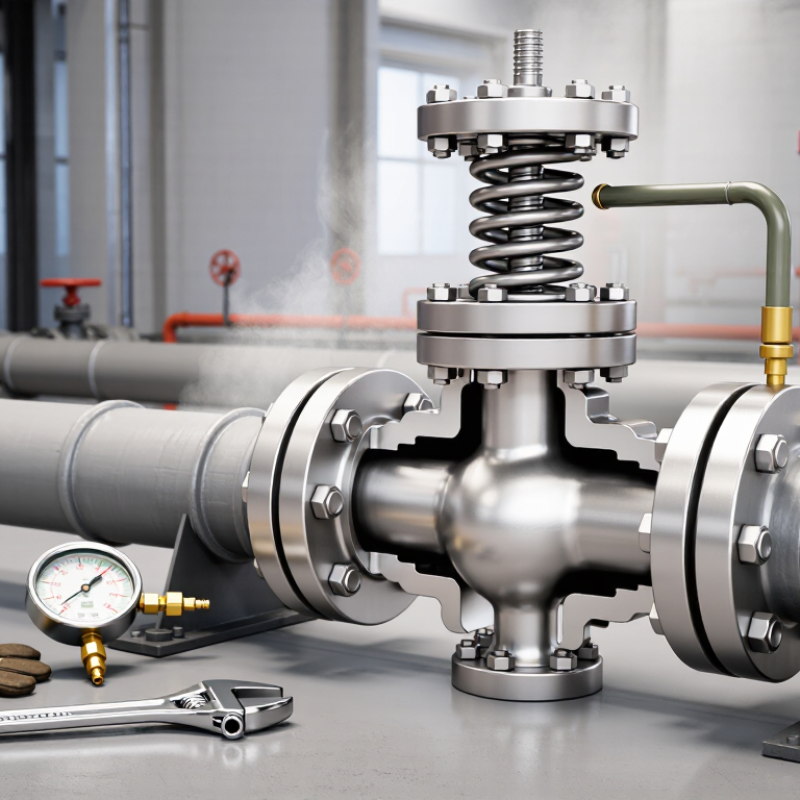
The best steam pressure relief valve depends on pressure, flow capacity, temperature, and backpressure. No single design suits every system. Spring-loaded valves are common because they are simple, dependable, and easy to inspect. A calibrated spring holds the disc against the seat. When inlet pressure exceeds the set pressure, the disc lifts and releases steam. As pressure falls, the spring pushes the disc back into position.

Pilot-operated valves can provide tighter sealing and better control in large, high-pressure systems. However, they need clean, dry steam and careful maintenance. Contamination may affect the pilot mechanism. Real systems are less tidy. A valve that looks ideal on paper may chatter during operation if sizing, piping, or discharge conditions are wrong. Engineers should check relieving capacity, allowable working pressure, blowdown, and built-up backpressure before selection.

Tips: Mount the valve upright whenever required by its design. Keep the inlet connection short and properly sized. Never block the discharge path. Inspect the seat, spring, and pilot components regularly. Confirm the set pressure with calibrated equipment. Small pressure losses can change performance. Installation records should include the test date, set pressure, and inspection findings. Use the applicable local pressure-equipment requirements and qualified personnel for final verification.
Key Valve Types Used in Steam Systems

What Is the Best Steam Pressure Relief Valve Type?

Key Valve Types Used in Steam Systems

Choosing the best steam pressure relief valve depends on pressure, temperature, flow, and installation conditions. No single valve suits every steam system. The valve must open at the approved set pressure and discharge enough steam to prevent dangerous overpressure.

Spring-loaded safety valves are widely used on boilers, headers, and pressure vessels. A calibrated spring holds the disc closed until pressure reaches the set point. They respond quickly and remain relatively simple to inspect. Conventional designs work well when back pressure stays low. Balanced designs are more suitable when discharge piping creates changing back pressure.

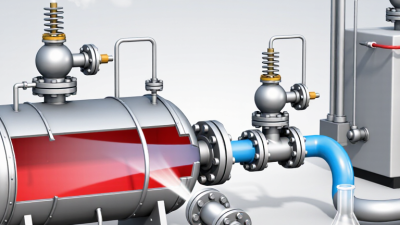
Pilot-operated safety valves use system pressure to control the main valve. They can provide tight shutoff and stable operation at higher pressures. However, small pilot passages may react poorly to wet steam, dirt, or condensate. Clean piping matters. Very much.

Some systems use safety relief valves where both pressure and thermal expansion require protection. These valves may combine rapid steam release with controlled liquid-service behavior. A thermal relief valve can protect trapped condensate sections, but it cannot replace a correctly sized boiler safety valve.

A practical commissioning check should confirm the set pressure, discharge direction, drain arrangement, and lift performance. Field conditions often differ from design drawings. A neat specification can still fail when the outlet pipe is undersized or poorly supported. Valve selection should follow recognized pressure-equipment standards, manufacturer data, and a documented sizing calculation.

How to Compare Steam Pressure Relief Valve Designs

Choosing the best steam pressure relief valve starts with the system, not the catalogue. A spring-loaded valve is straightforward, compact, and easier to inspect. It suits many moderate-pressure boilers and process lines. A pilot-operated design can handle higher flow with tighter pressure control, but dirty steam may affect its pilot circuit. That weakness is easy to underestimate.

The U.S. Department of Energy reports that steam systems can represent 20–30% of industrial energy use. Small leakage or repeated lifting can therefore waste substantial energy. Compare each design by certified capacity, set pressure, blowdown, operating temperature, and allowable backpressure. ASME Boiler and Pressure Vessel Code Section VIII and ISO 4126 provide recognized requirements for sizing and performance. Certification matters more than attractive specifications.

For superheated steam, metal seating and temperature-rated materials deserve close attention. Wet steam changes the decision; condensate can accelerate erosion around the seat and discharge elbow. Balanced bellows designs reduce the effect of variable backpressure, while conventional valves may cost less and remain simpler to maintain. Check the actual pressure curve, not just the nominal rating. Field experience shows that poor installation alignment can cause chatter, even with a correctly sized valve. I would also question unusually long service claims. Maintenance records usually tell the harder truth.

What Is the Best Steam Pressure Relief Valve Type? - How to Compare Steam Pressure Relief Valve Designs

Comparison Dimension Conventional Spring-Loaded Balanced-Bellows Spring-Loaded Pilot-Operated Direct-Acting Piston
Operating principle A spring directly opposes the inlet pressure acting beneath the disc. A spring-loaded disc is combined with a bellows that reduces the effect of outlet backpressure. A pilot valve controls pressure above the main piston or disc, allowing system pressure to assist closure. A piston and spring provide direct mechanical opening and closing without a separate pilot circuit.
Best general application General steam services, utility headers, boilers, vessels, and applications requiring a simple certified device. Steam systems where variable or significant built-up backpressure could affect set pressure or capacity. High-capacity or high-pressure steam systems where stable operation and tight pressure control are important. Compact systems, lower-capacity duties, and applications needing a rugged direct-acting design.
Sensitivity to backpressure High unless the valve is specifically designed and adjusted for the expected backpressure. Low to moderate; the bellows helps isolate the spring and opening forces from outlet backpressure. Low when correctly selected, although pilot-sensing and discharge piping still require proper design. Moderate to high, depending on piston design, spring setting, and the connected discharge system.
Typical response behavior Fast and predictable, but performance depends strongly on spring adjustment and operating conditions. Fast response with improved stability where discharge pressure varies. Can provide rapid opening, high lift, and stable reseating when the pilot circuit remains clean and correctly configured. Rapid direct response, but performance may be more affected by friction, wear, and pressure fluctuations.
Capacity suitability Suitable across a broad range of steam capacities; larger capacities require larger springs and valve bodies. Suitable across a broad range, especially where conventional spring performance would be influenced by backpressure. Often advantageous for large flow capacities because the pilot system can reduce the main valve spring force requirements. Generally more suitable for small to medium capacities, subject to certified flow-capacity data.
Blowdown control Adjustable within the limits of the certified design; excessive blowdown can reduce usable system pressure. Usually offers improved stability, but the allowable blowdown remains design- and standard-dependent. Can provide close reseating and controlled blowdown when pilot settings and sensing lines are correctly maintained. Usually limited by the mechanical design and spring characteristics.
Leakage control near set pressure Good when properly sized and maintained, but operating too close to set pressure can increase simmering risk. Good, with reduced sensitivity to outlet pressure changes. Very good in suitable applications because system pressure assists tight closure; pilot contamination can impair performance. Acceptable when clean and correctly adjusted, but piston friction and seat wear can affect tightness.
Installation complexity Low; requires correctly sized inlet and discharge piping with suitable drainage and support. Moderate; bellows venting, drainage, and discharge-piping details must be addressed. High; pilot sensing lines, filters, drains, orientation, and protection from condensate or contamination are important. Low to moderate, depending on body arrangement and the required discharge configuration.
Maintenance requirements Periodic inspection, seat and disc checks, spring inspection, and certified set-pressure testing. Routine spring and seat maintenance plus inspection of bellows integrity and vent arrangements. More extensive maintenance, including pilot cleaning, filter inspection, sensing-line checks, and main-valve servicing. Straightforward mechanical inspection, with particular attention to piston seals, guides, springs, and seats.
Main advantages Simple construction, broad availability, easy troubleshooting, and comparatively low initial cost. Better performance than a conventional spring valve when backpressure varies or becomes significant. High capacity, strong pressure control, reduced spring force requirements, and good reseating performance. Compact, robust, direct-acting, and less dependent on external pilot tubing.
Main limitations Backpressure can change opening behavior, capacity, and effective set pressure if not accounted for. Higher cost and additional inspection requirements; bellows failure must be detected and addressed. Higher complexity, greater sensitivity to dirt or condensate in pilot components, and more demanding maintenance. May have lower capacity and less precise control than a properly selected pilot-operated design.
Typical selection priority Choose when simplicity, reliability, and straightforward maintenance are the primary goals. Choose when backpressure compensation is needed without using a pilot-operated system. Choose when capacity, stable operation, and tight pressure control justify additional complexity. Choose when a compact, direct-acting valve is appropriate for the required capacity and pressure conditions.
Selection note: The best steam pressure relief valve is determined by certified relieving capacity, set pressure, allowable accumulation, operating pressure, built-up and superimposed backpressure, steam temperature and quality, discharge piping, required blowdown, applicable code, and maintenance conditions. Always use certified capacity data and the requirements of the applicable pressure-relief standard for final selection.

Selecting the Best Valve for Pressure, Temperature, and Capacity

The best steam pressure relief valve depends on pressure, temperature, and required discharge capacity. No single design fits every installation. Spring-loaded valves suit many standard steam systems because they respond directly to rising pressure. They are compact, familiar, and relatively simple to maintain. However, high backpressure can affect their opening behavior. That detail is often underestimated.

Pilot-operated valves can provide higher capacity and tighter control in large plants. They may perform well when operating pressure stays close to the set pressure. Their pilot system, however, needs clean impulse lines and careful inspection. For fluctuating pressure, a balanced design can reduce the effects of built-up backpressure. Temperature also matters. Valve materials, seals, and springs must tolerate the maximum metal temperature, not only the normal steam temperature.

Capacity calculations should use credible flow data, including pressure, temperature, and allowable accumulation. A valve that is too small may fail to protect the vessel. An oversized valve may chatter, leak, or wear its seat. Field checks should confirm the set pressure, inlet piping, discharge routing, and drainage. Small installation errors matter. I have seen calculations look correct while a restrictive inlet connection changed the actual performance. Rechecking the complete system is worthwhile. Selection should follow applicable engineering codes, certified sizing methods, and the equipment manufacturer’s technical limits.

Installation, Testing, and Maintenance Requirements

What Is the Best Steam Pressure Relief Valve Type?

Installation, Testing, and Maintenance Requirements

Choosing a steam pressure relief valve starts with the installation, not the catalog label. A spring-loaded valve suits many compact systems, while pilot-operated designs can manage high-capacity service more steadily. The final choice depends on pressure, temperature, flow rate, back pressure, and discharge conditions. Use certified sizing data and the equipment manufacturer’s limits. Never place an isolation valve between the vessel and its relief device without an approved protective arrangement. Discharge piping needs independent support, drainage, and a safe outlet.

During installation, keep the valve upright when the design requires it. Remove shipping caps, inspect the inlet, and prevent sealant from entering the flow path. The inlet line should be short and adequately sized. Sharp bends can increase pressure loss. I have seen small alignment errors load the valve body and cause leakage. That detail is easy to miss. Verify the set pressure against the approved system specification before commissioning. A qualified technician should test lifting performance under controlled conditions with calibrated instruments. Record set pressure, reseating behavior, test date, and leakage.

Maintenance needs a written interval based on service severity, water quality, cycling, and site history. Inspect for corrosion, deposits, blocked drains, damaged springs, and discharge restrictions. Do not treat a quiet valve as a healthy valve. Some failures remain hidden until demand occurs. Periodic bench testing can reveal drift, but field tests may not prove full capacity. Replace damaged components with correctly rated parts, then repeat leak and set-pressure checks. If records are incomplete, assume the installation needs closer review. That is not convenient, but it is safer.

What Is the Best Steam Pressure Relief Valve Type?

Spring-loaded valves are widely used for general steam service, while pilot-operated valves are better suited to high-capacity or closely controlled applications. Balanced bellows designs help reduce the effect of back pressure. The chart shows a practical, risk-based maintenance planning example; actual intervals must follow the applicable code, site procedures, and service history.

Planning example: visual checks are commonly performed more frequently than bench testing, while overhaul intervals depend on corrosion, contamination, leakage, operating frequency, and inspection results. Set-pressure testing should be performed by qualified personnel using calibrated equipment.